
SANOFEX Overview
SANOFEX is a world leader in finding, mining and processing the Earth's mineral resources. The Group combines SANOFEX Limited ('SANOFEX' Holding), a private New Zealand limited company soon to be listed on the Australian Stock Exchange and it's two subsidiaries which are the owners of the operational leases. Namely, lronsands Offshore Mining Limited ('IOM') and Pacific Offshore Mining Limited ('POM'), which are private New Zealand domiciled, limited company operational assets. We aim to operate as a seamless organisation that acts and looks like one company and maximises the benefits of standard and shared approaches for every activity.
The Group's objective is to maximise its value and the long term return to shareholders through a strategy of investing in large, cost competitive mines and businesses driven by the quality of each opportunity. Major products are ilmenite, merchant pig iron, synthetic rutile, titanomagnetite, with gold, scandium, niobium and industrial minerals, such as zircon, represented in small quantities. Our activities are solely represented in New Zealand at the present time.
Wherever SANOFEX operates, the health and safety of our employees, and a contribution to sustainable development, are key priorities. We work as closely as possible with host countries and communities, respecting their laws and customs and ensuring a fair share of benefits and opportunities.
‘The way we operate’
SANOFEX’s reputation for acting responsibly plays a critical role in our success as a business and our ability to generate shareholder value.
Our reputation stems from our four core values, which define the essence of who we are and who we will be: Accountability, Respect, Teamwork and Integrity.
These values are expressed through the principles and standards of conduct set out in ‘The Way We Operate’. They define the way we manage the economic, social and environmental challenges of our operations and are important to fulfilling our commitment to contribute to sustainable development.
Actions speak louder than words. The behaviour of each and every one of us will influence how well we perform and how the world views SANOFEX. The way we operate is our conscience. Our conduct will bring about a success that we can all be proud to share and one that everyone notices.
By working according to our values we will help sustain long-term business success by encouraging more effective relationships and stimulating deeper contributions to our local communities.
‘The Way We Operate’ is our code of business conduct. It contains principles and standards of conduct, which reaffirm our commitment to corporate responsibility.
Expectations and regulations surrounding corporate responsibilities change and our own business evolves continuously. Consequently, ‘The Way We Operate’ was revised in 2014.
This edition reflects our continuing strong commitment to undertaking our business with integrity. It requires us to stick to rigorous standards of corporate governance and contribute to sustainable development. In fact, our focus on sustainable development, economic prosperity, social wellbeing, environmental stewardship, strong governance and integrity systems, provides the framework in which our business operates and runs as a major theme throughout this document. Delivering on our sustainable development commitment means making sustainable development considerations an integral part of our business plans and decision-making processes.
However, ‘The Way We Operate’ does not have sufficient detail to explain every aspect of all Group policies and standards. Furthermore, it does not cover specific product group or business unit policies and procedures, which establish additional requirements about our conduct. We therefore must be mindful of our responsibility to be familiar not only with ‘The Way We Operate’ but all supporting SANOFEX policies and standards relevant to our particular area of work.
‘The Way We Operate’, has been adopted by the SANOFEX board after consultation. SANOFEX will continue to address issues as they emerge to ensure ‘The Way We Operate’ remains relevant into the future.
Please take time to review 'The Way We Operate'.
.
SANOFEX Group Environment Policy Overview
Excellence in environmental performance is essential to our business success. Compliance with all environmental laws and regulations is the foundation on which we build our environmental performance. We support and encourage further action by helping to develop and implement internationally recognised management systems and voluntary commitments.
We have Group wide standards, strategies, targets and systems to manage environmental risks. We identify opportunities to improve environmental management at every stage of exploration, mine development, operation and closure, as well as in evaluating the acquisition and divestment of assets.
Wherever possible we prevent, or else minimise, reduce and remedy the disturbance of the environment.
We promote active partnerships at international, national, regional, and local levels. They are based on mutual commitment, trust, and openness. Our relationships with communities involve consultation to open new facilities, to run existing ones and to close them at the end of their productive lives. In doing so, we support community based projects that can make a difference in a sustainable way without creating dependency. We also assist regional development and training, employment and small business opportunities.
The SANOFEX Group including the two proposed operators IOM and POM are be able to meet health and safety and environmental requirements for the types of activities proposed under the permits.
With respect to environmental capability as prescribed in Sections 29A(2)(d) and 29A(3) of the Crown Minerals Act 1991 and clause 5.4 in the Minerals Programme for Minerals (excluding petroleum) 2013 (Minerals Programme).
SANOFEX will show:
an understanding of New Zealand’s regulatory requirements relating to health and safety and the environment as those requirements apply to the type of activities proposed under the permit, including any iwi and hapū consultation processes prescribed in the relevant legislation
an understanding of the health and safety and environmental risks relating to the type of activities proposed under the permit
that it has, or is likely to have by the time the relevant activities are undertaken:
appropriate systems, processes and capabilities for complying with the requirements in subparagraph (i) above
appropriate systems, processes and capabilities for managing health and safety and environmental risks relating to the type of activities proposed under the permit
personnel with appropriate qualifications and experience relating to health and safety and environmental requirements and risks, as they apply to the type of activities proposed under the permit.
SANOFEX Personnel with HSE Responsibilities
Directors
Dr. Neil Loftus
The founder of SANOFEX Limited, Ironsands Offshore Mining limited and Pacific Offshore Mining Limited; collectively the SANOFEX Group of Companies.
Responsible for the alignment of the company with the board’s strategic vision. Core duties include facilitating business outside of the company, guiding employees and other executive officers towards a central objective, whilst maintaining a balance of internal and external initiatives to build a sustainable company.
Dr. Loftus holds a degree in Medicine from the Victoria University of Manchester England (MB.ChB.) and retired from the profession in 2006. He is a qualified General Practitioner and has previously worked as an assessor for the Benefits Agency in the UK. His responsibilities included assessing fitness to work.
Dr. Loftus is the Chairman and Managing Director of the SANOFEX Group of Companies and is also a Director of SANOFEX, IOM and POM. From a health and safety perspective each business functions as a PCBU (person conducting a business or undertaking) and Dr. Loftus acts as an Officer and worker with respect to each PCBU.
Management Consultants
Geos Mining and Mineral Consultants
Geos Mining has worked closely with SANOFEX in the past performing both valuation analysis and technical reviews. We intend to engage Geos Mining again to design and implement the detailed drill programme plan.
Geos Mining is a specialist geology consultancy. They apply world's best practice services in an ethical, cost effective and transparent manner. They are based in Sydney, with access to many of the main decision makers in the mining industry. They specialise in the preparation of commodity resource estimations that are recognised in stock exchanges around the world. They are also recognised as a full service provider, undertaking work including the identification of properties with exploration potential through reconnaissance exploration, core logging, GIS, resource estimation and statutory and stock exchange reporting.
Geos Mining is a full service provider when it comes to exploration. The company undertakes exploration activities on behalf of clients in a responsible manner that respects the environment at all stages of the operations. All exploration activities are planned, performed and monitored to ensure that adverse effects on the environment are minimised and remediated or avoided.
- Exploration planning and logistics
- Exploration database design and management
- Site preparation & rehabilitation work
- Drilling, geochemical and geophysical survey planning and management
- Workplace Health Safety and Environment management
They can be contacted on +61 02 9929 6868 and full details of their services and capabilities can be found on their website at http://www.geosmining.com. Please ask for Sue Border.
Sue Border - BSc. Grad.Dip. FAusIMM. FAIG.
Principal Advisor. Sue Border has over 30 years experience in the minerals industry. Sue specialises in project management and resources/reserve estimation. Her broad experience includes periods as a mine geologist, consultant, academic and exploration manager before starting Geos Mining. Sue has experience in a wide range of industrial minerals, with specialist knowledge of feldspar, kaolin, silica and garnet as well as other commodities. She has carried out research in geostatistics and mine quality control. Sue is a JORC Code 2012 Competent Person for industrial minerals and metals and is a VALMIN Code 2015 Specialist. Sue is a Fellow of both AusIMM (Australasian Institute of Mining & Metallurgy), and AIG (Australian Institute of Geoscientists). Sue has a BSc. (Hons) Imperial College, London and Grad Dip (Industrial Minerals Science) UTS.
Doug Gordon
Doug consults to SANOFEX as an environmentally focused Manager/Planning Officer. His responsibilities cover health and safety, management systems, processes and policy development, NZPAM reporting, overseeing Iwi and Hapu consultation processes and the development of existing policies to specific policies as relates to NZ statues and regulations.
Doug is expected to exert considerable influence over the Company; it’s policies and direction and will act as an Officer in this regard, whilst being contracted as an employee on hours to suit (part-time, flexi-time). Doug’s responsibilities are expected to grow with the needs of the Group.
Doug is the former Executive Director of the New Zealand Minerals Industry Association, a non-profit trade association representing the New Zealand minerals industry. Prior to this he was General Manager, NIWA Marine, and Director of the New Zealand Oceanographic Institute in Wellington, and has worked extensively in the fishing industry in New Zealand and the USA. Doug has a BSc in Fish & Fisheries from the Victoria University of Wellington and a Masters Degree in Marine Affairs from the University of Rhode Island, USA.
Kaitiaki Advisory Limited
Brendon Green, founder and Director of Kaitiaki Advisory Limited (KAL) consults to SANOFEX on all matters Iwi. KAL specialises in working with Maori and commercial entities in regard to natural resource development and brings experience from developments of national significance which include:
Over a $1 billion of investment in geothermal developments over the Kawerau, Rotokawa and Ngatamariki geothermal fields;
Water storage agreements over Lake Taupo for hydro generation and a current development for Auckland’s future water supply from the Waikato River;
The establishment of a geothermal partnership in Northland between Top Energy and Mari of Ngawha;
Future exploration of land based minerals on Maori land in Kawhia;
A proposed geothermal fuelled dairy factory development over Maori land in the Bay of Plenty;
Maori from the rohe of Tuwharetoa, Ngati Tahu, Te Arawa, Ngapuhi & Tainui; and
Commercial entities such as Mighty River Power, Contact Energy, Top Energy, Watercare and BP.
Over 2016 KAL has held numerous hui with representatives of SANOFEX and through the korero and exchange of whakaaro (“ideas”) SANOFEX has developed an understanding of key areas for Maori:
Rangatiratanga. Maori seeking to lead their own destiny
Kaitiakitanga. Maori acting as custodians of resources in their rohe that takes into account
the long term sustainable development of resources; and
their responsibility to make decisions that affect future generations
Manaakitanga & kotahitanga. The spirit of hospitality and unity in working with parties.
SANOFEX has adopted these principles and through KAL has held hui with tangata whenua to open up discussions towards developing relationships and ultimately to gain support for the Waihi and Taranaki seabed mining permits.
New Zealand Diving and Salvage
SANOFEX has engaged the support of New Zealand Diving and Salvage (NZDS) to perform it’s drill programmes proposed under it’s work programme offers. NZDS has successfully conducted several drill campaigns for Trans-Tasman Resources Limited (TTR) without incident. SANOFEX will be using the same vessels and drill rig used by NZDS for TTR’s JORC resource drill programmes.
New Zealand Diving and Salvage (NZDS) have in place well established policies and procedures that are accredited to Lloyds Register Quality Assurance OHSAS 18001:2007. NZDS risk management processes are developed to align with AS/NZS ISO 31000 Risk Management Standards.
For more than 30 years we have provided personnel for inland water, subsea, vessels and marine construction activities. The environment of which we operate in is recognised as hazardous, which can be extremely harsh and unforgiving. SAFETY FIRST is the focus of the company’s undertakings and attitudes of our personnel.
Our entire operation is organised to ensure our business is conducted safely. Personnel are well trained and highly motivated, equipment is correctly designed and well-developed procedures are key to safely conducting our daily operations.
We are constantly vigilant to ensure risks are identified and removed or mitigated in our work places. We have a strong inherent safety culture and are committed to being injury free. NZDS holds an excellent maintained health and safety record with no loss time injuries in the last five years.
New Zealand Diving and Salvage (NZDS) has in place well established policies and procedures that are accredited to Lloyds Register Quality Assurance ISO 9001:2008, which are available for client auditing.
MNZ Safe Ship Management Systems are in place for all NZDS vessels.
Minimising the environmental effects of our work is an increasingly significant requirement of our clients work scopes. All operations are carried out in compliance with industry standards, best practices, guidelines and conform to ISO 14001 Environmental Management.
Reducing the footprint of our human resource activities is achieved through procedures, training and awareness programs; including training through the Department of Conservation for Marine Wildlife activity reporting for operations undertaken in high sensitivity and protected zones.
Hydraulic tooling systems operate with HydrElf Bio46 oil, which is known for its environmental properties. Well-established risk management and hazardous substance containment policies are in place to deal with any hydraulic system leakage.
Offshore Environmental Services – to be contracted as needed
Cawthron Institute
Cawthron Institute is New Zealand's largest independent science organisation, offering a broad spectrum of services to help protect the environment and support sustainable development of primary industries. Their multidisciplinary team of scientists and technical specialists offer the full-spectrum of services to meet all environmental consent and monitoring requirements for the offshore sector, underpinned by independent, robust and peer-reviewed science. - See more at: http://www.cawthron.org.nz/offshore-environmental/#sthash.4r4zYuRC.dpuf
Metocean
MetOcean Solutions is a science-based consultancy that provides specialist numerical modelling and analytical services in meteorology and oceanography. They provide high quality environmental data and expert interpretation to meet the rigorous requirements of the offshore and maritime industries as well as regulatory, defence and government agencies. SANOFEX has previously used Metocean meteorlogical forcasts to assist in defining safe voyage weather conditions for crew to drill offshore of Taranaki. Refer Dr. Peter McComb, Managing Director.
NIWA
NIWA is particularly adept at developing and supplying custom software for environmental analysis and modeling. Plume modeling is a particularly valuable skill set that SANOFEX may call upon from NIWA scientists. Other services provided include geophysical surveys, bathymetry, environmental impact assessment, oceanographic surveys and monitoring services. Any of which may be needed in building data for a resource consent application after we have defined JORC resources.
Legal Supports for Environmental Matters
Environmental – North South Environmental – Robert Makgill
Robert is an environmental, natural resources and public law litigator. He has led numerous property development, infrastructure and natural resource projects through the planning and approval process, and has extensive experience representing clients in relation to legislative and regulatory change at both central and local government levels.
Robert was awarded a doctoral scholarship through the Maritime Institute, Department of Public International Law, University of Ghent in 2005, and is a member of the Institute’s doctoral research programme. He was legal counsel in the International Law for the Sea Tribunal’s (ITLOS) historic advisory opinion proceedings on deep sea mining in the High Seas in 2010. Robert represented the New Zealand Law Society before the Parliamentary Select Committee during the passage of New Zealand’s Exclusive Economic Zones and Continental Shelf (Environmental Effects) Act 2012. He is currently an EEZ hearings commissioner for the Environmental Protection Authority (EPA), and advised the EPA on regulation of exploration and development within New Zealand’s EEZ in 2012.
Robert chaired the Legal Working Group during the International Seabed Authority's Workshop on Environmental Management Needs for Exploration and Exploitation of Deep Sea Minerals, and has advised the Secretariat of the Pacific Community on various aspects of the European Union funded deep sea minerals project.
He is a member of the Environmental Law Committee, New Zealand Law Society; World Conservation Union (IUCN) Commission on Environmental Law (Specialist Group on Oceans, Coasts and Coral Reefs); and a Research Fellow of Lincoln University Faculty of Environment, Society and Design.
Environmental Management in New Zealand
Before a company can undertake activities such as exploration drilling, they must comply with the appropriate environmental legislation. SANOFEX aims to successfully integrate it’s management plans and operational procedures to align with the legislative requirements, rules and regulations of New Zealand. The SANOFEX team includes qualified experts in their fields from New Zealand.
Onshore and in Territorial Waters
The SANOFEX Group is operational through IOM and POM within the territorial waters of New Zealand. Local authorities manage environmental consenting processes in their region under the Resource Management Act 1991. Under the Act, Regional Councils are responsible for managing the effects of activities on the environment in territorial waters (0 to 12 nm offshore). Resource consents are usually required for mineral extraction activities but certain minimal impact activities (exploratory boreholes and small scale bulk samples) are allowed under the Crown Minerals Act (CMA), rules and regulations (The Minerals Programme for Minerals (Excluding Petroleum) 2013) without Resource Consent.
The Minerals Programme for Minerals (Excluding Petroleum) 2013 footnote 14 and the CMA Section 2(1) states;
Section 2(1) of the Act provides that “minimum impact activity” means any of the following:
(a) geological, geochemical, and geophysical surveying:
(b) taking samples by hand or hand held methods:
(ba) taking small samples offshore by low-impact mechanical methods:
(c) aerial surveying:
(d) land surveying:
(e) any activity prescribed as a minimum impact activity:
(f) any lawful act incidental to any activity to which paragraphs (a) to (e) relate—
to the extent that it does not involve any activity that results in impacts of greater than minimum scale and in no circumstances shall include activities involving—
(g) the cutting, destroying, removing, or injury of any vegetation on greater than a minimum scale; or
(h) the use of explosives; or
(i) damage to improvements, stock, or chattels on any land; or
(j) any breach of the provisions of this or any other Act, including provisions in relation to protected
native plants, water, noise, and historic sites; or
(k) the use of more persons for any particular activity than is reasonably necessary; or
(l) any impacts prescribed as prohibited impacts; or
(m) entry on land prescribed as prohibited land.
The proposed work programme activities in applications 55709.1 and 57130.1 are minimum impact activities and further approval has been sought from the Minister for bulk sampling of no more than 10 samples of 3 metric tonnes (approximately 1.5 cubic meters) or less as a prescribed minimal impact activity from each proposed permit area.
New Zealand’s marine environment is also protected under the Maritime Transport Act 1994, and the marine protection rules that come under the Act. Maritime New Zealand is responsible for ensuring operators have emergency response plans if there is a leak or spill into the sea.
Environmental Monitoring
Environmental monitoring can be required under various legislative regimes or conducted as part of a research programme. The link below provides guidance about how monitoring should be conducted to meet the requirements of the Exclusive Economic Zone and Continental Shelf (Environmental Effects) Act 2012.
Conservation
The Department of Conservation (DOC) is responsible for protected species under the Wildlife Act 1953and Marine Mammals Protection Act 1978. The Department also administers the Code of Conduct for Minimising Disturbance to Marine Mammals from Seismic Surveys.
Observation, Need for Observers, Logging, Registers and incident Reporting together with ‘Soft Start’ protocols have been described in detail in the Applications.
Marine and Coastal Area (Takutai Moana) Act 2011
Applications under the Marine and Coastal Area (Takutai Moana) Act 2011 recognise customary interests of iwi, hapū and whānau. The due date for applications was 3 April 2017. The Office of Treaty Settlements is currently assessing all applications.
One function of the Marine and Coastal Area (Takutai Moana) Act 2011 (MACA) is to recognise the exercise of the customary interests of iwi, hapū, and whānau in the common marine and coastal area of New Zealand. One form of customary interest that may be recognised under the MACA is customary marine title. One of the rights conferred by customary marine title is the ownership of minerals (except for petroleum, gold and silver).
The MACA is relevant to some permit applicants. Where a permit application relates to a right that would be conferred by customary marine title, it requires those looking to apply for a permit to notify and seek the views of Maori groups who have applied for customary marine title over the area, before they make a permit application. Permit applicants are not required to notify and seek the views of groups who have had their applications for customary marine title declined.
The MACA can give rise to other obligations for permit holders and resource consent seekers. Further information is available on the Ministry of Justice website.
Archaeological Sites
Archaeological sites are protected under the Heritage New Zealand Pouhere Taonga Act 2014 Petroleum and minerals permit holders may require permission to undertake activities around these sites from Heritage NZ.
Biosecurity
The Biosecurity Act 1993 provides for clearance of goods and management of incoming craft (including floating platforms) to reduce the risk of pests and diseases being introduced. Should SANOFEX consider the installation of offshore platform or the running of in-house vessels then a standard for Biosecurity will be developed to manage this issue. For now, this aspect of management is covered by NZDS.
Health and Safety
All operators and other permit holders must comply with New Zealand’s key work health and safety legislation - the Health and Safety at Work Act 2015, together with regulations made under that Act.
The main purpose of the Act is to provide for a balanced framework to secure the health and safety of workers and workplaces. The Act applies to nearly all work in New Zealand and it focuses on both injuries and work-related illnesses.
There are four duty holders that have work health and safety duties under the Act - persons conducting a business or undertaking, workers, officers and other persons at a workplace- and a duty holder cannot transfer or contract out of these duties.
New Zealand’s marine environment is also protected under the Maritime Transport Act 1994, and the marine protection rules that come under the Act. Maritime New Zealand is responsible for ensuring operators have emergency response plans if there is a leak or spill into the sea. Our chosen Charter Company, NZDS has the systems, processes and capabilities in place for complying with the regulations, managing environmental risks, including spillage of hazardous substances and is equipped with the relevant experienced and qualified personnel to conduct the planned work programme operations.
Hazardous Substances
New Zealand’s system for managing hazardous substances is changing. The rules that govern the use of hazardous substances in the workplace are moving from the Hazardous Substances and New Organisms Act 1996 (administered by the EPA) into the Health and Safety at Work Act 2015 (administered by WorkSafe). Transitional regulations are in place to oversee the move to the HSWA planned for late 2017. Emergency management plans are in place and well understood by NZDS (Hazardous Substances (Emergency Management) Regulations 2001).
Dumping and Discharges
Outside of territorial waters, under the Exclusive Economic Zone and Continental Shelf (Environmental Effects—Discharge and Dumping) Regulations 2015 the discharge of harmful substances is regulated. For the purposes of the Act, unless the context otherwise requires, harmful substance means any of the following:
(a) a substance that is ecotoxic to aquatic organisms and is hazardous for the purposes of the Hazardous Substances (Minimum Degrees of Hazard) Regulations 2001:
(b) oil:
(c) garbage:
(d) sediments from mining activities other than petroleum extraction.
Within New Zealand’s territorial waters Section 15 (Discharges) of the Resource Management Act 1991 applies. In particular, Section 15B(2) Discharge of harmful substances from ships or offshore installations, which states;
(2) No person may, in the coastal marine area, discharge water into water from any ship or offshore installation, unless—
(a) the discharge is permitted or controlled by regulations made under this Act, a rule in a regional coastal plan, proposed regional coastal plan, regional plan, proposed regional plan, or a resource consent; or
(b) after reasonable mixing, the water discharged is not likely to give rise to any significant adverse effects on aquatic life.
The reverse circulation (RC) drill rig to be used for borehole sampling and the apparatus required for pipe suction dredging do not contain within the bore or pipe mechanism any hazardous substances that may be emitted into the ocean.
The potential for oil leakage of a minor nature remains from the hydraulic mechanisms used to create the drill/ dredge action but this possibility is considered unlikely and is well understood by NZDS who use only hydraulic tooling systems that operate with HydrElf Bio46 oil, which is known for its environmental properties. Well-established risk management and hazardous substance containment policies are in place to deal with any hydraulic system leakage.
The airlift mechanism of the RC-Drill Rig, unlike iris mechanisms typically used with vibro-core systems does not allow for run-back of sediments into the ocean.
Backwash of deck spilled sediments, consequent upon cyclone sample preparation are considered of minimal risk and fall under Section 15B(2)(b) of the RMA;
(b) after reasonable mixing, the water discharged is not likely to give rise to any significant adverse effects on aquatic life.
Organisational Responsibility
SANOFEX Limited (SANOFEX) is the 100% owner and holding company for both IOM and POM. Collectively, this is the SANOFEX Group of Companies.
SANOFEX, IOM and POM are each PCBU’s within the terms of Section 17 of the Health and Safety at Work Act (HSWA - Act) and each has a primary duty of care under Section 36 of the Act.
SANOFEX has three directors, each of whom is also an Officer within the terms of Section 18 of the Act and each has a due diligence duty under Section 44 of the Act.
Neil Loftus
John Vincent
Andre Homberg
Loftus is also the Managing Director to whom all personnel report and is a worker in terms of Section 19 of the Act.
Vincent is the CFO of SANOFEX and responsible for operational cash-flow and payroll; likewise he is also a worker.
Both Loftus and Vincent have worker’s responsibilities as defined in Section 45 of the Act.
Homberg is a non-executive director and not a worker under the Act.
Loftus is also a Director of IOM and POM.
Loftus is responsible for contracting Geological, Drilling, Charter, Environmental services to the SANOFEX Group.
Doug Gordon is contracted to provide services to the SANOFEX Group that have a ‘significant effect’ on the policies and governance of the SANOFEX Group of Companies and is both an Officer and Worker within the context of the Act.
NZDS operate within their own workspace. They are their own PCBU with their own Officers and Workers and Other personnel.
Geos Mining and other Geologists, in particular those contracted to work on board the NZDS vessel are their own PCBU with their own Officers and Workers.
Previously, SANOFEX has operated a warehouse facility where Geologists coordinated processing and logging of core samples from offshore. The current work programme allows for samples to be logged on the charter vessel and directly transferred to the laboratory site.
The responsibilities of PCBU’s, Officers, Workers and others are described in detail in the HSWA 2015 and the WorkSafe publication Introduction to the Health and Safety at Work Act 2015.
The SANOFEX Group employs under 20 personnel and is not required to appoint a Health and Safety Officer at the present time. As the Group progresses it is anticipated that a Health a Safety Representative will be appointed and a Health and Safety Committee will be established.
Under Part 1 Section 2 of the CMA, SANOFEX is a mining operation but under Schedule 3, Section 2(d)(i)of the HSWA, SANOFEX (an explorer) and not a producing mine operator is not currently subject to the further industry specific HSE legislation; such as the Health and Safety at Work (Mining Operations an Quarrying Operations) Regulations 2016 (http://www.legislation.govt.nz/regulation/public/2016/0017/latest/DLM6732829.html).
SANOFEX is also mindful of it’s responsibilities under the Maritime Transport Act 1994 where Doug Gordon has extensive experience. This is particularly relevant to activities onboard the NZDS charter vessel. NZDS will report to Doug Gordon in this regard. As part of the NZDS charter contract SANOFEX will require NZDS to provide logs of the voyages of the chartered vessel, drilling logs including GPS drill locations, incident reports, logs and reports of marine mammal sightings.
Please refer to the NZDS Capability Profile for details of their health, safety and environmental proficiencies and also the NZDS HSE POLICY and QUALITY POLICY.
Duties and Key Responsibilities under the HSWA 2015
The Duties and Key Responsibilities of PCBU’s, Officers, Workers and Other Persons is defined in the relevant sections of the HSWA 2015.
Subpart 1—Key principles relating to duties
Subpart 3—Duties of officers, workers, and other persons
Readers should note under Schedule 3 of the HSWA 2015 (Health and safety in mining sector);
2 Meaning of mining operation
In this schedule, mining operation—
(d) does not include—
(i) exploring for minerals:
(iii) a mining operation wholly on or under the seabed on the seaward side of the mean high-water mark:
Irrespective, SANOFEX will adhere to;
6 How Part 3 applies in mining sector
(1) For the purposes of the mining sector, the provisions in Part 3, unless the context otherwise requires, must be read as if—
(a) every reference to a PCBU were a reference to the mine operator:
(b) every reference to a work group or members of a work group were a reference to—
(i) a group of mine workers who are represented by a health and safety representative; or
(ii) mine workers in a mining operation:
(c) every reference to a business or undertaking were a reference to a mining operation.
Work Programme Planning
SANOFEX has the following work programme offers in application to NZP&M for IOM and POM.
Geos Mining (Sue Roberts) or Golder’s (Willy Roberts) are to be contracted depending on costing’s to design the drill programme and bulk sampling, including GIS build and targeting of sites. Relevant Iwi will be contacted as described below (Iwi Consultation under Regulations).
1. Within 36 months of the commencement of the date of the permit, the permit holder shall (to the satisfaction of the Secretary):
- Complete a further programme of reconnaissance drilling for a minimum of 50 holes (40 shallow drilling holes, <10m below sea floor and 10 deep drilling holes, > 10m below seafloor); or other such programme as agreed by the Secretary; and
- Define any mineral occurrence discovered to a minimum confidence level of “exploration result” as defined by the JORC Code (2012); and
- Provide the Secretary with a report detailing the work completed in this phase of exploration, including the submission of digital data.
2. Within 60 months of the commencement of the date of the permit, the permit holder shall (to the satisfaction of the Secretary):
- Complete a programme of systematic drilling, as required, to define any mineral occurrence discovered to a minimum confidence level of “inferred resource” as defined by the JORC Code (2012); and
- Complete a programme of bulk sampling for the purpose of mineralogical and metallurgical testing; and
- Commence bankable feasibility studies; and
- Provide the Secretary with a report detailing the work completed in this phase of prospecting, including the submission of digital data.
Types of Activities Proposed
The following activities are envisaged as part of the work programme;
Drilling programme design by Geos Mining.
Offshore boreholes using a patented, reverse circulation, hydraulic drill system using NZDS.
Airlifting of samples from the seabed up the core barrel to a cyclone capture device.
Consulting Geologist on board NZDS vessel, co-ordinating drill programme activities.
Bagging, tagging and logging of samples on deck by NZDS crew drill operators.
Parceling samples into bespoke heavy duty, transfer crates.
Hiyab offload at port to Mainfreight haulage.
Transfer to SGS lab Waihi.
Laboratory processing.
Digital reporting.
Sample haulage return to SANOFEX storage facility.
Suction dredge pipe uplift of bulk samples.
Crating, transfer and storage as above.
Concept processing, by third party.
Environmental monitoring, Maui’s dolphin on board observer, log, siting response and incident reporting as described in the application. Note no seismic work is anticipated,
Environmental studies as required – Refer Work Programme proposal 2c above.
Environmental Risks of Proposed Activities
If the exploration permits are approved then over the next 12 months SANOFEX will contract NZDS to perform a systematic drill programme of 150 cores for IOM and 120 cores for POM. The sites for the boreholes will be determined by GEOS Mining Consultants and Geologists will be on board the NZDS vessel during the drill programme. On recovery of samples, a Geologist will log the samples and arrange for their delivery to SGS laboratory in Waihi for assessment. The results will define inferred/indicated JORC resources and be reported to the Minister.
In phase two, SANOFEX will suction dredge ten samples of 3 metric tonnes (~1.5m3) and send the samples for beneficiation testing and metallurgical assessment. The bulk sampling programme will be designed and implemented in the same manner as the JORC drill programmes under the guidance of the same consultant management team, NZDS and Geos Mining.
Geos Mining, NZDS, Mainfreight and any Consulting Geologists will report to Dr. Loftus, Managing Director, regarding work programme activities.
NZDS, Mainfreight, Metocean, Cawthron, NIWA and any Consulting Geologists will report to Doug Gordon regarding environmental study programme activities and HSE related matters. Doug Gordon will in turn report to Loftus.
This document is principally about the systems, processes, business and management capabilities for complying with regulations and managing risk. Specific effects of the work programme on the environment are well covered in both applications (55709.1 and 57130.1) and further outlined in an earlier document entitled Environmental Stewardship authored by SANOFEX in June 2013.
A full database of Maui’s Dolphin risk and threat management is also linked in here Maui Dolphin.
Iwi Consultation under Regulations
Māori environmental guardianship - kaitiakitanga
The environment is interrelated and essential to Māori culture, economy, identity, and well-being. Māori often speak of their role as kaitiaki (guardian), for the sky, sea, and land - the process and practices of protecting and looking after the environment are referred to as kaitiakitanga.
The Conservation Act 1987 and the Resource Management Act 1991 (RMA) provide for recognition of the Treaty of Waitangi and kaitiakitanga. Section 7 of the RMA requires all individuals involved with managing the use, development, and protection of natural and physical resources to have “particular regard” to kaitiakitanga.
- The Resource Management Act 1991
- The Conservation Act 1987 on the New Zealand Legislation website.
Resource Management Act 1991
RMA provisions encourage Māori participation in the management of natural and physical resources and requires the consideration of Māori values, culture and tradition in resource management decision making. Relevant provisions include:
Section 6 (Matters of national importance): In achieving the purpose of this Act, all persons exercising functions and powers under it, in relation to managing resources, shall recognise and provide for the following matters of national importance … (e) the relationship of Māori and their culture and traditions with their ancestral lands, water, sites, wāhi tapu, and other taonga (f) and (g).
Section 7 (Other matters): In achieving the purpose of this Act, all persons exercising functions and powers under it, in relation to managing the use, development, and protection of natural and physical resources, shall have particular regard to (a) kaitiakitanga.
Section 8 (Treaty of Waitangi): In achieving the purpose of this Act, all persons exercising functions and powers under it, in relation to managing the use, development, and protection of natural and physical resources, shall take into account the principles of te Tiriti o Waitangi (Treaty of Waitangi).
Environmental Protection Authority Act 2011
Any application for Resource Consent considered to be of National Importance will be overseen by the EPA.
The purpose of this Act is to establish an Environmental Protection Authority and to provide for its functions and operation.
Particular provisions relating to Māori include:
Section 4: In order to recognise and respect the Crown’s responsibility to take appropriate account of the Treaty of Waitangi (a) section 18 establishes the Māori Advisory Committee to advise the EPA on policy, process, and decisions of the EPA under the environmental Act; and (b) the EPA and any person acting on behalf of the EPA must comply with the requirements of an environmental Act in relation to the Treaty, when exercising powers or functions under that Act.
Section 19 (1): The function of the Māori Advisory Committee is to provide advice and assistance to the EPA on matters relating to policy, process, and decisions of the EPA under an environmental Act or this Act. (2): The advice and assistance must be given from the Māori perspective and come within the terms of reference of the committee as set by the EPA.
Crown Minerals Act 1991
Under Section 33C; Iwi engagement reports
Every holder of a Tier 1 permit must provide to the Minister an annual report of the holder’s engagement with iwi or hapū whose rohe includes some or all of the permit area or who otherwise may be directly affected by the permit.
Mineral permits application consultation
Crown have an obligation under the Crown Minerals Act to consult iwi and hapū on proposed permit application areas falling within their rohe.
Relevant iwi and hapū are notified of:
- the area being considered in the permit application
- the types of activities that may take place should a permit application be granted,
- the proposed minerals
Iwi and hapū are given 20 working days (extendable to 40, if requested) to comment on any aspect of the proposal. They can request areas not be included in the application, or for certain activities to be subject to additional requirements that recognise cultural characteristics of the area.
NZP&M provides a report to the Minister on the response received from consultation.
The Minister must take into account iwi and hapū requests to exclude areas or require additional requirements for activities before making a final decision on the areas to be included in the application.
Marine and Coastal Area (Takutai Moana) Act 2011
SANOFEX’ duties to customary marine title (CMT) and protected customary rights (PCR) applicant groups
When SANOFEX applies for resource consent in the common marine and coastal area we will need to notify and seek the views of any group that has applied for recognition of customary marine title in the area. Here is a list of current applications (https://www.justice.govt.nz/maori-land-treaty/marine-and-coastal-area/applications) on the Justice website.
SANOFEX’ duties to customary marine title groups
In applying for resource consent in an area where customary marine title has been recognised, SANOFEX may need the written permission of the customary marine title group. There are exceptions to this requirement in sections 64(2)(a)–(h) of the Act (Accommodated activities). No customary marine title determinations have been made under the Act so far.
SANOFEX’ duties to protected customary rights groups
In applying for resource consent in an area where a group exercises protected customary rights, the consent will not be granted if the activity will have more than minor adverse effects on the rights unless you have the permission of the protected customary rights group. There are exceptions to this requirement in section 55(3)(d) of the Act (Effect of protected customary rights on resource consent applications) within the meaning of section 65(1)(b)(i) of the Act.
No protected customary rights determinations have been made under the Act so far.
Applications for CMT or PCR may be made through the Crown direct, when the application will be registered on the justice.govt.nz website or alternatively by application to the High Court. A Public Notice is then required and this will generally be given in the NZ Herald newspaper or on the applicants website.
SANOFEX monitors relevant sites to assist with discovery and will engage all applicants in proximity to it’s exploration area (tenements).
In the last week, we have become aware of four new applicants to the High Court;
55709.1; Taranaki Iwi and Te Atiawa – Notice given on their websites.
57130.1; Ngati Tara Tokanui iwi and Ngai Te Rangi Settlement Trust – Notice in NZ Herald.
SANOFEX engages with Iwi through Kaitiaki Advisory limited
Brendon Green, founder and Director of Kaitiaki Advisory Limited (KAL) consults to SANOFEX on all matters Iwi and reports back to SANOFEX via Doug Gordon and Loftus. KAL specialises in working with Maori and commercial entities in regard to natural resource development and brings experience from developments of national significance.
Over 2016 KAL has held numerous hui with representatives of SANOFEX and through the korero and exchange of whakaaro (“ideas”) SANOFEX has developed an understanding of key areas for Maori:
Rangatiratanga. Maori seeking to lead their own destiny
Kaitiakitanga. Maori acting as custodians of resources in their rohe that takes into account
the long term sustainable development of resources; and
their responsibility to make decisions that affect future generations
Manaakitanga & kotahitanga. The spirit of hospitality and unity in working with parties.
SANOFEX has adopted these principles and through KAL has held hui with tangata whenua to open up discussions towards developing relationships and ultimately to gain support for the Waihi and Taranaki seabed mining permits.
Engagement with Tangata Whenua
Taranaki permit: Taranaki iwi are a key stakeholder for the Taranaki ironsands permit. KAL has corresponded and met with Toka Waldron, Chair of Taranaki iwi to introduce SANOFEX and its philosophy for development.
The approach offered by SANOFEX to Taranaki Iwi is to consult as tangata whenua and furthermore an invitation has been made for Taranaki Iwi to also co-invest in the development as an owner.
Correspondence with Toka Waldron was from October 2015 with hui held on 16 December 2015. Future hui are envisaged to meet with trustees of Taranaki iwi.
The Taranaki permit extended into the rohe of Te Atiawa and initial contact has been made with Te Atiawa dated 30 March 2016. Over the upcoming month hui are envisaged to be held with members of Te Atiawa to share the philosophy of SANOFEX.
Waihi permit: KAL has engaged tangata whenua in the rohe of Waihi to introduce SANOFEX. Parties engaged include Pare Hauraki, Ngai Te Rangi & Ngati Pukenga.
SANOFEX and KAL have collectively met with Maori of Otawhiwhi marae of Ngai Te Rangi to introduce SANOFEX and its philosophy of development reflected in this report. Hui were held on 11 March 2016 and 22 March 2016 and future hui are being planned for 2017.
KAL has met with parties who affiliate to Ngati Pukenga and hui are planned in the year ahead towards developing a relationship.
KAL has reached out to members of Pare Hauraki in 2015/6 however parties have not come back to engage.
KAL has engaged with the Tainui Group to prepare the way for cooperative ventures and potential strategic investment in SANOFEX. This process is ongoing.
Future engagement
Over 2017 the goal is to develop relationships with tangata whenua who have mana moana – mana whenua over the seabed of the permits and hold wananga to enable Maori to gain an understanding of the developments in their rohe and furthermore for the SANOFEX developments to incorporate their concerns and aspirations.
One key concept has been defined in line with the Kaitiaki (guardianship) role of Iwi in relation to their Rohe, specific to the areas of the exploration interests of SANOFEX.
SANOFEX is an exploration company, on course to complete staged evaluations to achieve a project ready for mine build in 2020 and onwards. The stages to be completed are;
• JORC definition resources
• Environmental surveys
• Development of environmental management policies
• Resource consent
• Extraction License
• Project finance and mine build
• Commissioning and production with strict environmental controls in place
In the course of this development, SANOFEX will not embark on environmental surveys until a JORC resource is defined. From Hui and general discussions, Iwi will not engage fully until environmental protection policies are established to ensure both company and Kaitiaki responsibilities are complied with.
With this in mind any proposals for Iwi cooperation should begin whilst a JORC resource is established and be cemented as a strategic alliance before environmental policy development and surveys are underway. This would ensure Iwi input to all environmental decision making pathways and allow for correct cooperative policy development.
It is believed that this approach to mining will provide a win-win for key stakeholders in the developments.
Prior to any sampling, any relevant Iwi applying for or granted Customary Marine Title or Protected Customary Rights under the Marine and Coastal Area Act, located in proximity to the permit areas (tenements) will be contacted and information provided outlining;
the proposed locations for drilling and bulk samples’; and
the timing of exploration activities; and
outlining the appropriate management measures that will be implemented to avoid or mitigate the actual or potential effects of the exploration activities; and
requesting information regarding areas of special significance or wahi tapu that should be avoided.
Systems, Processess and Capabilities
SANOFEX has embodied the spirit of it corporate governance approach and overarching philosophy in SANOFEX Group 'The Way We Operate'.pdf
Significant policy, standards and planning documents have already been adopted (2014 onwards), including with relevance to health, safety, environment, culture, society, employment, climate change, sustainable development and risk management the following;
SANOFEX Group Climate position sta…ement.pdf
SANOFEX Group Communities policy.pdf
SANOFEX Group Communities relatio… policy.pdf
SANOFEX Group Communities standard.pdf
SANOFEX Group Community agreem…idance.pdf
SANOFEX Group Community compla…idance.pdf
SANOFEX Group Cultural heritage m…idance.pdf
SANOFEX Group Employment policy.pdf
SANOFEX Group Community consult…idance.pdf
SANOFEX Group Antitrust standards…idance.pdf
SANOFEX Group Business integrity (…ndard.pdf
SANOFEX Group Fitness for work standard.pdf
SANOFEX Group Health safety envir… policy.pdf
SANOFEX Group Human rights policy.pdf
SANOFEX Group Occupational health policy.pdf
SANOFEX Group Safety policy.pdf
SANOFEX Group Sustainable develop… policy.pdf
Overall, SANOFEX Corporate Governance is contained in SANOFEX Group Corporate responsi…pment.pdf
Complying with Regulations
SANOFEX, its directors, officers, managers, workers and associated consultants and work partners have a broad based understanding of the regulatory environment of New Zealand. The Group works within the legislation, rules and regulations both current and evolving.
Where we are unsure we seek appropriate advice from qualified professionals, whether this is legal, environmental, health and safety, regulatory or other.
We have systems in place to comply with all aspects of legislation and management strives to apply best available technology and best available management practice.
Managing Environmental Risk
SANOFEX management and consultants have successfully operated in the offshore and offshore mineral space for over ten years.
SANOFEX has successfully conducted offshore vibro-core sampling programmes in 2011 with no incidents in terms of health, safety and the environment reported.
Since then we have implemented risk management policies that follow best available practice and standards that apply to all our operational activities.
SANOFEX is proud to be a leader in our chosen areas of business. Our continued success depends on our ability to understand the challenges of a changing world, and to respond effectively. We recognise that uncertainty offers significant opportunities for innovation, value creation and competitive advantage. We also know that there are potential threats inherent in much of what we do, and we are committed to minimising these. This is especially the case where the threats are relevant to personal injury or environmental harm.
SANOFEX recognises that risk is an integral and unavoidable component of our business and is characterised by both threat and opportunity.
The Group fosters a risk-aware corporate culture in all decision making. Through skilled application of high quality, integrated risk analysis and management, our staff will exploit risk in order to enhance opportunities, reduce threats, and so sustain competitive advantage.
We are committed to managing all risk in a proactive and effective manner. This requires high quality risk analysis to inform the management decisions taken at all levels within the organisation.
To support this commitment, risk analysis is applied to all facets of the business by management at appropriate levels, following the principles set out in the Risk standard.
Risk analysis and management process
SANOFEX risk analysis and management must follow a uniform process to ensure consistency and high quality. The process includes six elements:
Risk process initiation
Risk identification
Risk evaluation
Risk management
Risk reporting
Risk updates
The relationship between these elements is shown in the diagram below.
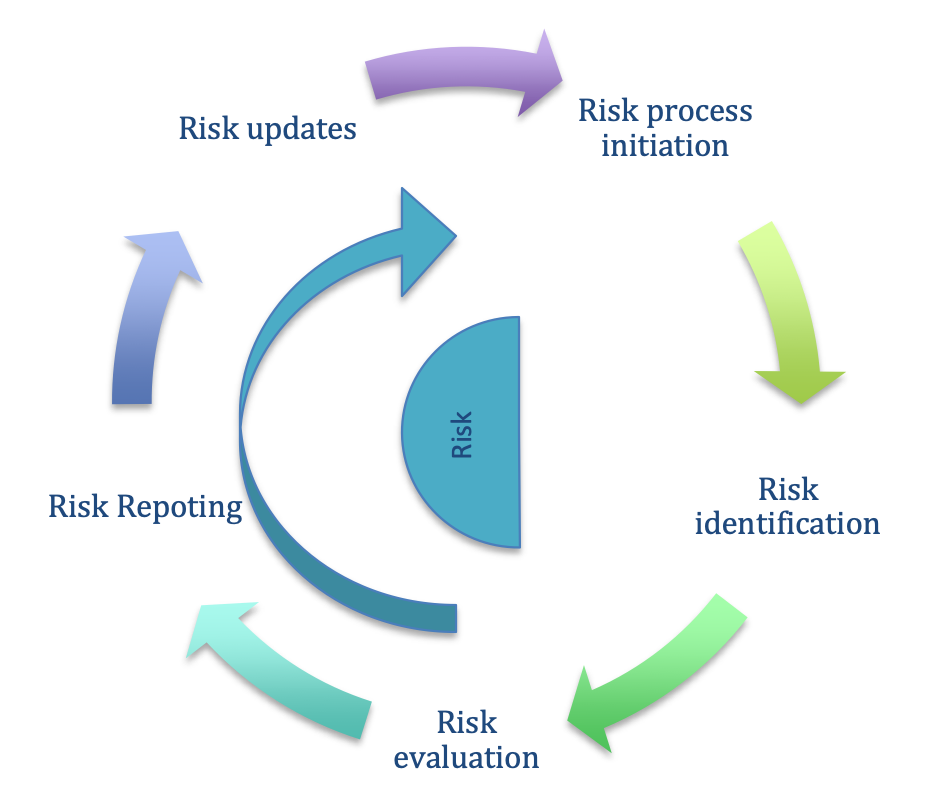
Figure 1 - Risk analysis and management process
Risk process initiation
A suitably qualified, competent person must be nominated to lead the risk analysis. The risk process initiation step must be led by this person, and must include the following tasks:
Define the scope and context of the risk analysis, including explicit statement of what is in scope and out of scope
Determine those objectives at risk, which are to be the subject of the risk analysis
Define the methodology, tools and techniques to be used during the risk analysis
Detail who will participate in the risk analysis, with their roles and responsibilities
Define scales of likelihood and consequences to be used during the risk analysis, and define risk acceptance thresholds (see below)
Describe the risk reporting and update cycles
The outputs from these tasks must be documented in a risk analysis plan.
Methods exist for defining likelihood and consequence scales which apply to most SANOFEX risk analyses.
The person leading the risk analysis must either:
Confirm applicability of the preferred method for the particular application before commencing the risk analysis, or
Define and justify alternative scales to be used for a particular analysis.
Clear and well defined risk acceptance thresholds are required in order to determine the level of risk that can be tolerated. Risk acceptance thresholds are based on defined scales for likelihood and consequences. Risks are then assessed and classified against the thresholds into one of the SANOFEX Risk Management Classes I, II, III or IV, defined as follows:
Class I: Risks that are below the risk acceptance threshold and do not require active management
Class II: Risks that lie on the risk acceptance threshold and require active monitoring
Class III: Risks that exceed the risk acceptance threshold and require proactive management
Class IV: Risks that significantly exceed the risk acceptance threshold and need urgent and immediate attention
These four classifications apply equally to both threats and opportunities. Irrespective of the risk analysis process adopted, all risks identified and evaluated must be mapped to one of the SANOFEX risk management classes.
Risk identification
The aim of risk identification is to expose and document all currently knowable risks which could affect achievement of the objectives. This includes both threats and opportunities, where a threat is a risk with a negative consequence, and an opportunity is a risk with a positive consequence.
Risks can be identified using a number of different tools and techniques. As a minimum, a facilitated risk identification workshop must be held with key stakeholders. In addition other techniques may be used at the discretion of the person leading the risk analysis. Whatever risk identification technique is used, care must be taken to separate risks from their causes and effects.
Following initial risk identification, the possibility of risk aggregation must be considered, arising from interdependence or coincidence of identified risks. Aggregated risks must be recorded for special attention and subject to urgent evaluation.
Risks must be documented in a Risk register, at the level of detail required to support subsequent risk evaluation and risk management. Risk evaluation must not be performed during the risk identification process, in order to minimise bias.
Risk evaluation
The likelihood and consequences of each identified risk must be assessed using the predefined scales, and each risk must be classified and prioritised for further attention using the agreed risk acceptance thresholds. A 4x4 risk evaluation matrix is preferred, although 3x3 and 5x5 are permitted under specifically justified circumstances. Asymmetric risk evaluation matrices are not permitted. All risks must be classified according to the SANOFEX Risk Management Classes.
The consequences arising from occurrence of risks can be either economic or non economic.
Economic consequences must be scaled when determining the level of risk acceptance (for example sensitivity to capital overrun will vary with project size). The economic consequences to be considered depend on the type of risk analysis, particularly whether it is for a capital investment project or for an ongoing operation. All SANOFEX risk analyses must consider at least the following five types of economic consequence, all of which lead to a direct effect on NPV:
Capital expenditure
Schedule
Operating cost
Production volumes
Revenue
Non economic consequences cannot be scaled. As a minimum, all SANOFEX risk analyses must consider the following six types of non economic consequence:
Personnel safety
Health impact
Environmental impact
Community impact
Compliance impact
SANOFEX or business unit reputation
Evaluation must be undertaken by internal SANOFEX stakeholders with relevant experience and expertise, who have an overall knowledge of the area being analysed. This group must be able to judge the likelihood and consequences in the business and operational context, and consensus should be sought. The views of external experts should be obtained where this is considered necessary for a thorough evaluation of particular risks.
Special attention must to be paid to any risks assessed as having very high negative consequence and very low likelihood. These include risks where consequences include multiple fatalities, a massive environmental incident, or a major plant or mine failure resulting in severe interruption to business. They also include aggregation risks arising from a number of related causes. Where such risks are identified, they must be noted in the Risk register as special cases, and treated immediately.
The results of the risk evaluation must be recorded in the Risk register.
In some cases it may be appropriate to use quantitative risk analysis methods to evaluate the effect of identified risks on achievement of objectives.
Risk management
Appropriate responses to each identified risk must be determined and implemented in order to optimise the level of risk exposure. Suitable risk responses must be developed by those with experience and expertise in the relevant area. Threats (risks with negative consequences) must be avoided, transferred or minimised. Opportunities (risks with positive consequences) must be exploited, shared or enhanced. Where such active risk responses are not possible, residual risks must be accepted with suitable levels of contingency.
The cost effectiveness of each response must be determined before it is agreed or implemented. Agreed risk responses must be allocated to a single risk owner, and appropriate resources must be made available to ensure that responses are implemented effectively. The possibility of secondary risks arising from agreed responses must be considered. Progress on risk responses must be monitored against agreed milestones and targets. Where an agreed risk response is not achieving the intended result, additional responses must be developed, perhaps with different risk owners.
Agreed risk responses must be recorded in the Risk register, together with their current status and progress towards their achievement.
Risk reporting
The results of the risk analysis process must be documented and reported to key stakeholders. All risk analyses must produce a Risk register to document identified risks, together with their evaluations and agreed responses. Other risk report formats may be developed for specific purposes. The Risk register must contain the following minimum information for each identified risk:
Unique reference number
Date of last risk update
Brief title of the risk
Description of the risk
Likelihood of occurrence
Assessment of all types of consequences
Risk level, determined from the likelihood and the highest consequence
Risk responses (both candidate and agreed), together with their current status
Risk owner
The Risk register must retain information on all closed risks, to provide an audit trail and to assist in learning for future risk analyses.
Risk updates
All risk analyses must be updated in the light of progress, developments or operational improvements. The update must reflect the results of risk responses that have been implemented, and must also identify additional risks, which have emerged since the last update. All risks in the Risk register should be re-examined to ensure that previous Class I and Class II risks have not developed a higher profile.
An Integrated Standard for the Management of Health, Safety, Environment and Quality Performance
SANOFEX has also developed an integrated standard for the management of health, safety, environment and quality performance.
The standard is set out below.
SANOFEX Group
HSE
Health Safety and Environment
An integrated Standard for the management of health, safety, environment and quality performance
2021
© SANOFEX 2021
Introduction HSE Standard
This document provides details of the SANOFEX Health, Safety, Environment and Quality (HSEQ) management system standard, which is mandatory for all SANOFEX Group businesses. While the primary focus of this Standard is to manage health, safety and environmental performance, quality management has also been integrated to provide for businesses with quality programmes.
Managing health, safety and environment – the SANOFEX approach
Heath, safety and environmental issues present significant risks to SANOFEX, both to individual businesses and to the Group. To address these risks, SANOFEX has begun developing an HSE programme, whereby all Group businesses are required to meet the same standard of practice. Policies, strategies, standards, internal controls, performance indicators and targets, are developed centrally to help manage risk and improve HSE performance. This programme will support individual businesses to achieve their performance objectives as well as the Group as a whole. SANOFEX HSE policies and standards are mandatory and all Group businesses are required to implement them as part of the HSE development programme. However, businesses are encouraged to develop additional policies and approaches that can best meet their individual needs, operating environments and products.
Why does HSE need an integrated management system?
To ensure we have a common approach to managing HSE performance and achieve ongoing improvement across SANOFEX, we need to focus on the systematic identification, management and improvement of the areas of our business that can present risk. This approach applies to the management of health, safety and the environment across our business activities.Implementing one system (rather than having a number of individual systems to manage each area) brings together all requirements for quality, occupational health and safety and the environment. This enables us to:
• Centrally identify, evaluate and manage risk across the business.
• Centrally manage requirements for international standards certification.
• Rationalise resources.
• Reduce complexity.
• Improve performance.
• Maintain and enhance reputation.
Once implemented, an integrated management system helps businesses better develop their own policy, establish appropriate objectives and targets, implement processes to achieve policy commitments and take the required action to address risks and improve performance. It also provides a platform for them to be able to demonstrate ongoing conformance to the SANOFEX HSE standards.
How does the HSEQ management system standard work?
This Standard details the requirements for SANOFEX Group businesses to implement an integrated system for the management of health, safety, environment and, (where relevant) quality. It is designed on the principles of continual improvement and adopts the methodology of Plan, Do, Check and Review (Figure 1). The structure of the management system generally follows the layout of common international standards such as; ISO 14001, (Environment); OHSAS 18001 and AS/NZS 4801 (Health and Safety); ISO 9001 (Quality).
The management system standard is divided into seventeen elements. Each element sets out to achieve a specific objective that enables the business to best identify and manage its various HSEQ threats and opportunities. Every element includes a number of clauses, which spell out the minimum requirements to meet each objective.
While all SANOFEX businesses must meet the requirements of this Standard, each business’s management system may differ depending on its needs. That is, the level of detail and complexity of the management system (and the extent of the documentation and resources devoted to it) depends on the nature and scale of the business activities. At all times, businesses are encouraged to take a pragmatic approach.
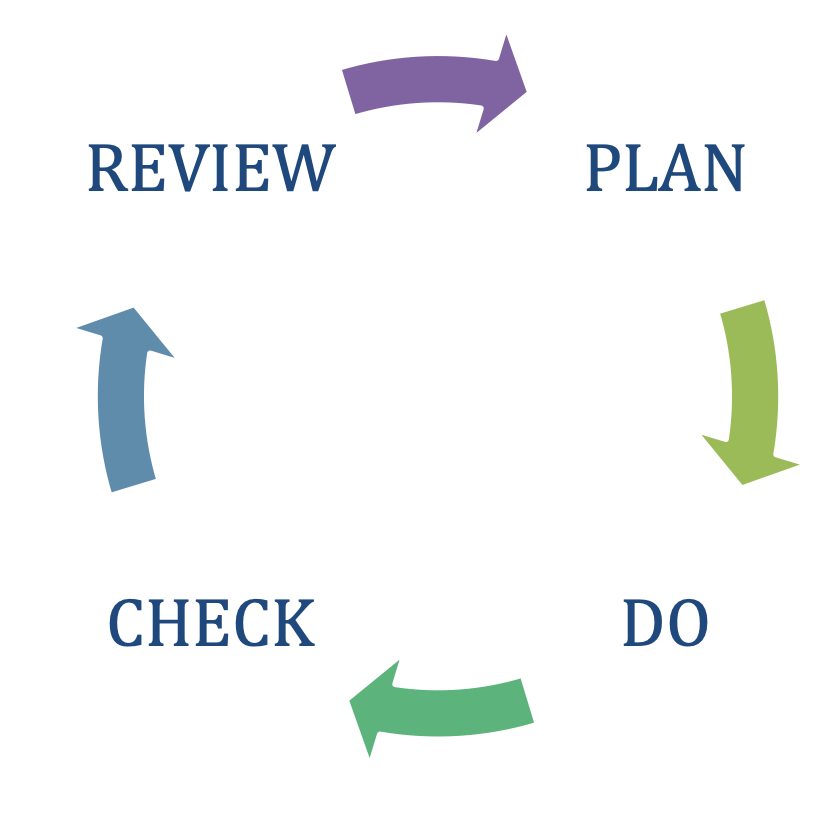
[Figure 1 – The SANOFEX HSEQ management system standard’s continual improvement cycle showing the four continuous cycle phases.]
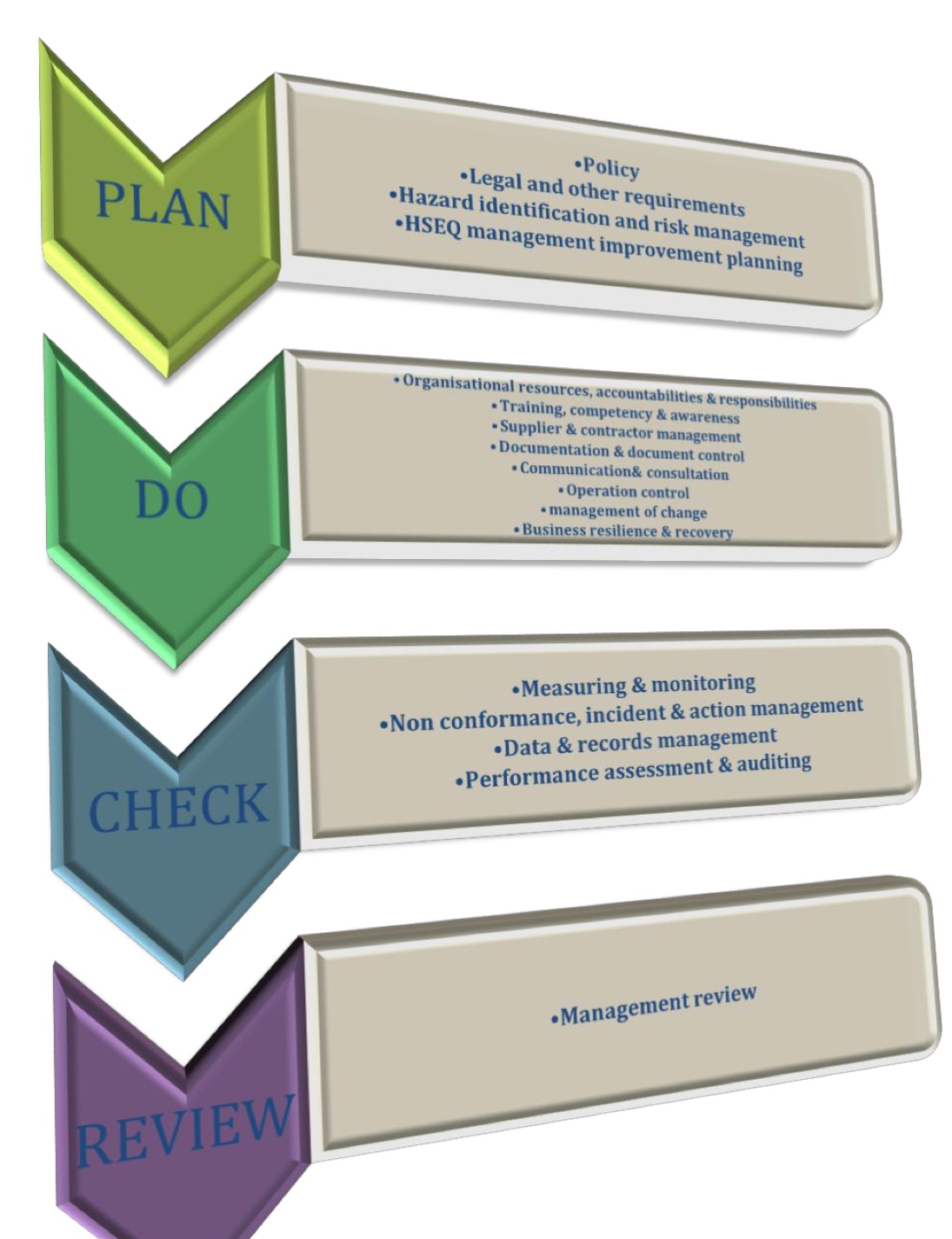
[Figure 2 – The SANOFEX HSEQ management system standard’s continual improvement cycle showing the four phases & the seventeen elements.]
Compatibility with certified international management systems
The SANOFEX HSEQ management system standard is working towards being consistent with ISO 14001, (Environment); OHSAS 18001 and AS/NZS 4801 (Health and Safety); ISO 9001 (Quality); and equivalent international standards. If a business or site’s management system conforms to the SANOFEX HSEQ management system standard, it will when completed comply with all the certification requirements of these international standards.
When ready SANOFEX will appoint a global certification provider to audit against the HSEQ management system standard and issue certificates relevant to the defined scope of the business or site’s management system. The audit is to be conducted as part of the HSEQ business conformance audit programme.
Interpreting the Quality requirements
Wherever practicable, Quality management has been integrated into each requirement of the Standard. Where Quality may be separated from HSEQ, because of a business scope or need, it has be placed in square brackets e.g. HSE[Q]. Stand-alone Quality management system requirements are identified by the symbol [Q] at the beginning of a clause.
A business may still elect to implement all or part of the Quality components of the Standard, alongside the mandatory HSE scope, and not seek certification to ISO 9001 as they recognise the benefits from integrating such practices into their business activities.
How to use this document
Throughout the Standard, references are made to supporting SANOFEX documents. These documents contain mandatory requirements and are notated in italics.
Modifications to this document are made periodically to ensure it is current.
If using a printed version of this Standard, always check to ensure the version you are using is current.
The Standard
Scope
All SANOFEX businesses, their managed sites and functional locations must implement, or demonstrate conformance to an integrated management system aligned to the requirements of this Standard.
Statutory and permitting requirements will take precedence over SANOFEX standards, except in those cases where the SANOFEX standards are more stringent.
Application
This Standard applies to:
exploration and project development;
(b) environmental studies;
(c) order of magnitude studies;
(d) prefeasibility studies;
(e) feasibility studies;
(f) execution and construction;
(g) commissioning and ramp up;
(h) operating;
(i) care and maintenance;
(j) closure and rehabilitation;
(k) post closure;
(l) all contractor activities undertaken on SANOFEX sites or under SANOFEX management.
Newly acquired businesses or sites must conform to SANOFEX’s HSEQ management system standard by performing a gap analysis and by developing and starting to implement an action plan to close the gaps within six months. Within 24 months of an acquisition or sooner, newly acquired businesses and sites must achieve certification to ISO 14001 Environmental Management for their management system, and complete the implementation action plan.
SANOFEX expects business partners, such as associate companies or joint ventures where we do not have operating responsibility, as well as principal contractors, suppliers and others with whom it has a substantial involvement, to conform to comparable HSEQ management standards. SANOFEX informs them of these standards, its principles and policies and works with them where appropriate to support their adoption of practices consistent with our own.
SANOFEX businesses or managed sites in closure or under divestment must implement a process for the management and retention of records for future reference.
General requirements
The scope of the management system must be defined and documented.
Working towards certification to ISO 14001 Environmental Management; is mandatory.
Certification to additional international standards (OHSAS 18001; AS/NZS 4801; ISO 9001) is at the discretion of the SANOFEX business(es) implementing this Standard. Such decisions must be documented, and must form part of the scope of their management system.
[Q] Businesses with Quality programmes must ensure that the applicable scope of the HSE[Q] management system in relation to product realisation is documented and maintained.
Product stewardship: businesses, through the implementation of the requirements of this Standard, must demonstrate an understanding of the use and lifecycle of their products. They must develop and maintain the appropriate health and environmental data to allow for the safe use of their products in the workplace and by consumers.
Documentation: where the requirement for a procedure appears in this Standard, this means that a procedure is established, documented, implemented, communicated and maintained.
Non-implementation and variance
After defining the scope of the management system, a business may identify specific clauses of the standard that it will not implement as part of its system. If this is the case it must submit a non-implementation request.
A non-implementation request is a documented statement that justifies why the HSEQ management system’s clause(s) or other mandated standard or requirement is not applicable to the business and/or site.
Where a business recognises it cannot currently conform to an element or clause of the HSEQ management system standard or the HSE performance standards it may submit a variance request.
A variance is an action plan that either puts in place temporary controls to treat the risk resulting from the non-conformance until such time as engineering or procurement issues can be resolved; or it details the process that the business is undertaking to obtain conformance.
Businesses may submit non–implementation or variance requests against whole standards, individual clauses or single scope requirements, such as all Quality components of the management system standard.
The process must be completed annually, and incorporated into the management review of the HSEQ management system to determine if it is still relevant to the business scope.
The SANOFEX HSE discipline leaders must approve a non-implementation statement and/or variance submitted by the business’ managing director before the business is audited
Supporting SANOFEX references
SANOFEX The Way We Operate
SANOFEX Group Antitrust Standard
SANOFEX Group Anti-Corruption Standard
SANOFEX Group Climate Position Statement
SANOFEX Group Communities Standard
SANOFEX Group Community Complaints, Disputes and Grievances Guidance
SANOFEX Group Cultural Heritage Management Guidance
SANOFEX Group Employment Policy
SANOFEX Group Environment Policy
SANOFEX Group Health Policy
SANOFEX Group Human Rights Policy
SANOFEX Group Risk Policy
SANOFEX Group Safety Policy
SANOFEX Group Sustainable Development Policy
Supporting registers
Audit records register
Certification register
Compliance and conformance register
Hazardous materials register
Management review records register
Records (data) register
Requirements (legal and other) register
Risk register
Plan
Element 1: Policy
Objective:
Develop a policy that establishes a clear set of values and objectives for the effective management of health, safety, environment [and quality] (HSEQ) performance. It must be consistent with SANOFEX’s codes of business practice.
Clause 1.1
All SANOFEX businesses and their managed sites must develop, implement and maintain an integrated approach for the management of health, safety, and environment [and if relevant, quality]. Management approaches or ‘systems’ must follow this SANOFEX HSE[Q] management standard and include a policy that is appropriate to the nature and scale of the activities being managed.
The Policy must commit to:
The prevention of incidents that may lead to: injuries, illnesses, pollution, property and environmental damage, security threats, process losses and product quality impacts.
(b) Compliance with legal and other requirements, including international accords and external requirements to which SANOFEX or the business/activity subscribes.
(c) The effective management of HSE[Q] risks.
(d) Adopting leading practice in key HSE[Q] areas through continual improvement.
(e) Establishing measurable objectives and targets for improving HSE[Q] performance.
(f) Providing the resources needed to meet our performance objectives.
(g) Encouraging employee participation and promoting employee awareness of HSE[Q] threats and opportunities.
(h) Meeting customer requirements.
Clause 1.2
The Policy must be:
a) Documented.
b) Approved by senior management responsible for the site where it is to be implemented.
c) Communicated and made available to all relevant internal and external stakeholders and interested parties.
d) Periodically reviewed to ensure it reflects the needs and priorities of the business.
Clause 1.3
[Q] For businesses or managed sites where our customers require external recognition of our commitment to quality services and products, we are required to document, implement and maintain a management system so that:
a) It is in accordance with the international standard ISO 9001.
b) The processes required by the system (including management activities, resources, product realisation, measurement, analysis and improvement) are identified.
c) The sequence and interaction of these processes are documented and communicated.
d) The required controls and actions necessary to maintain these processes and meet planned performance are effective and allow for continual improvement.
Element 2: Legal and other requirements
Objective:
Comply with all legal and other HSE[Q] requirements. Conform to internal SANOFEX standards, policies and other obligations.
Clause 2.1
The business or site’s management system must conform with the requirements of, and seek to obtain a certification to ISO 14001 Environmental Management.
Clause 2.2
All applicable HSE[Q] legal and other requirements must be identified, evaluated for compliance and stored in a register.
The register must:
a) Define accountability for maintaining compliance or conformance to each requirement.
b) Be checked regularly for currency, and expiry/renewal dates.
c) Include or provide reference to records that show periodic evaluation of compliance.
d) Include relevant legislative obligations (international, federal, state/provincial, regional or local).
e) Include relevant regulatory requirements for products and their transport in
countries of destination.
f) Include relevant SANOFEX Group policies and standards and external voluntary commitments.
g) Include any other requirements, such as licence, codes of practice and customer/product quality obligations.
h) Be accessible to the relevant personnel.
Any changes or updates must be communicated to relevant stakeholders.
Element 3: Hazard identification and risk management
Objective:
To analyse and manage HSE[Q] risks using a common approach.
Clause 3.1
The process for analysing and managing HSE[Q] risk includes:
a) Establishing the context, including acceptability criteria for the risk analysis.
b) Hazards/aspects identification to determine risk scenarios and select a suitable
level of risk evaluation.
c) Evaluating risks by qualitative or quantitative assessment(s) and assigning risk
ownership.
d) Recording the risk analysis in the risk register.
e) Managing risks according to their classification of either Low (Class I) Moderate
(Class II), High (Class III) or Critical (Class IV) to achieve levels that are deemed
to be As Low As Reasonably Practicable (ALARP).
f) Utilising the following hierarchy of control;
• eliminate the risk scenario;
• substitution;
• engineering and process controls;
• administrative controls or management strategies;
• the use of personal protective equipment (PPE).
g) Developing and agreeing on further actions or monitoring of the risks, taking into account the hierarchy of controls.
h) Verifying the completion of actions.
i) Re-evaluating the risk and classification as appropriate.
j) Reviewing and updating the risk register over time.
k) Documenting, reporting and communicating the risk information.
Clause 3.2
SANOFEX’s Health, Safety and Environment performance standards must be considered as part of the risk identification and evaluation process. These standards establish the minimum level of controls for the treatment of significant risks to the SANOFEX Group.
In addition to these Standards, business risks relating to the following themes must also be considered:
a) biodiversity;
b) closure;
c) raw materials (resources);
d) energy;
e) climate change;
f) products;
g) communities;
h) process safety hazards;
i) business continuity.
Clause 3.3
Qualitative and quantitative risk analysis must be facilitated by appropriately trained personnel and include personnel with adequate knowledge and experience for the risk being evaluated.
A list of attendees at risk analysis workshops and/or contributors to a risk analysis must be documented.
Clause 3.4
To evaluate chronic health exposures all personnel must be assigned to a Similar Exposure Group (SEG) and their risks analysed by qualitative and quantitative (as appropriate) analysis.
Clause 3.5
The format and structure of the HSE[Q] risk register must be aligned to the information as described in the Hazardous Materials register, Requirements register, Reporting and Risk register.
The appropriate level of management shall approve completed risk evaluations relevant to their areas of accountability.
Clause 3.6
Action plans must be developed to treat all HSE[Q] risks, with particular emphasis and priority placed on those evaluated as being above the established risk acceptance threshold. The action plan must control the risk to ALARP, be documented, implemented and follow the process(es) defined.
All risk controls must be:
a) Designed to be compatible with process and maintenance requirements.
b) Designed according to good engineering practices.
c) Aligned to established design criteria for the treatment of significant risks.
d) Cost effective in achieving control of potentially hazardous exposures/emissions/impacts.
e) Monitored, with and remedial actions tracked to completion.
f) Regularly inspected, assessed and maintained.
g) Considerate of emergency situations and the appropriate response assigned.
h) Maintained and reviewed for effectiveness.
Clause 3.7
Risk scenarios that involve known and suspected carcinogens, mutagens and reproductive toxicants must be controlled to ALARP (meeting an occupational exposure limit (OEL) or the environmental control limit (ECL) is not an adequate form of treatment). Action plans for treating these risks must be reviewed at least annually.
Clause 3.8
All High (Class III) and Critical (Class IV) HSE[Q] risks must be reviewed and updated at least annually.
All other HSE[Q] risks must be reviewed and updated at least every 3 years to ensure the risk analysis is current and risks have not developed a higher profile.
Clause 3.9
All risks that remain at the Critical (Class IV) classification, after completing a quantitative evaluation must be reported to SANOFEX HSE at six-monthly intervals.
Element 4: HSEQ Management improvement planning
Objective:
Establish processes and plans to manage HSE[Q] performance and to provide for continual improvement.
Clause 4.1
Objectives and targets must be established for the management of HSE[Q] performance. They must be measurable and:
a) Consistent with established Group objectives and targets.
b) Contribute to the prevention of incidents or reduce their impact(s).
c) Provide for continual improvement.
d) [Q] Maintain customer satisfaction.
Clause 4.2
To enable objectives and targets to be met, annual improvement plans must be developed, documented and integrated into the overall annual business planning process.
These plans must:
a) Specify the required resources (both human and financial) needed to meet the objectives.
b) Specify role responsibilities for implementing the improvement plans and their actions.
c) Establish the timeframes for completion of the improvement plans and achieving the objectives.
Clause 4.3
Reviews of progress towards achievement of objectives and targets, along with the status of implementation for the improvement plans must be conducted at regular and planned intervals or whenever there is a change to activities, operating conditions, or product quality.
Clause 4.4
All employees must have a documented personal or team-based HSE[Q] improvement plan which demonstrates their contribution to health, safety and environmental performance. The plan must include objectives and targets which are complimentary to other relevant management improvement plan(s).
[Q] Where responsibilities for maintaining conformance to product quality are assigned, these must be incorporated into the individual or team-based plans.
Clause 4.5
Formal meeting(s) must be conducted between the leader and team member (or teams) at least once a year to:
a) Agree and document the objectives, targets and actions related to their HSE[Q] improvement plans.
b) Review performance against the objectives and targets and progress against implementation of the agreed plan.
Clause 4.6
Where reward and incentive schemes are provided, these must be designed such that performance in health, safety or environment is not compromised in order to maximise the financial reward.
Element 5: Organisational resources, accountabilities and responsibilities
Objective:
Resources, responsibility and accountability is appropriately allocated for the maintenance and continual improvement of HSE[Q] management.
Clause 5.1
A specific management representative(s) must be appointed to ensure that the necessary financial, technological and organisational resources (including the services of specialists and competent HSE[Q] advisors) are made available to implement and maintain the management system.
Clause 5.2
Management committee(s) - comprising of various organisational levels and work areas (cross-functional); must be established to support the management of HSE[Q] performance and oversee the implementation of improvement plans. Committees must establish a documented constitution or Terms of Reference for their function.
Clause 5.3
All roles with HSE[Q] accountability and responsibilities (including legislative requirements) must:
a) Be documented in role descriptions.
b) Be included in a HSE[Q] organisation chart specific to the business or managed site. The organisational charts must be available to all employees.
Where contractors are involved, these areas of accountability and responsibility must be clarified with respect to those contractors.
Element 6: Training, competency and awareness
Objective:
Processes are established to provide the requisite training, competency and awareness to effectively manage HSE[Q] risks.
Clause 6.1
There must be a process for the delivery and maintenance of awareness and/or competence based training associated with the HSE[Q] management system and the business/managed site’s HSE[Q] risks.
The business/managed site must:
a) Identify HSE[Q] training requirements for all persons working under its control.
b) Ensure the delivery of HSE[Q] training and its currency.
c) Evaluate the effectiveness of HSE[Q] training delivered or other actions taken to ensure necessary competency is achieved.
d) Retain appropriate records of HSE[Q] training.
Clause 6.2
All new employees, contractors and/or visitors must undertake relevant induction training. As a minimum, induction training must include reference to the significant HSE[Q] risks identified at the business/managed site.
Clause 6.3
Specific competency profiles and selection criteria (fitness for work) must be developed for all personnel performing tasks and work activities which contain significant HSE[Q] risks.
Clause 6.4
All roles requiring technical certification, registration or licensing are documented. The requisite qualification(s)/competencies must be maintained for all personnel performing such roles and their associated work activities.
Clause 6.5
As a minimum, the following competency-based training must be provided:
a) Risk analysis (including evaluation methodologies as appropriate to the role).
b) Operational controls (including procedures and/or work instructions).
c) Management of change.
d) Business resilience and recovery (as defined through role assignment).
e) Work place and environmental monitoring.
f) Incident management (including investigation methods as appropriate to the role).
g) HSE interactions.
Clause 6.6
As a minimum, the following awareness training must be provided:
a) General induction to SANOFEX’s approach to managing HSE[Q].
b) Awareness of the Group HSE standards.
c) Understanding of HSE[Q] management system processes implemented at the site.
d) Significant HSE[Q] risks and activities.
e) Accountabilities of specific HSE[Q] roles and their responsibilities.
f) Consequences of departure from specified procedures or Group standards.
g) Emergency response procedures and the business resilience and recovery programme.
Clause 6.7
Records of all induction, awareness and competence based training must be retained. Determination of competence must consider relevant:
a) training;
b) education;
c) skills;
d) experience.
Element 7: Supplier and contractor management
Objective:
HSE[Q] risks associated with procured materials, equipment, services and labour are effectively managed.
Clause 7.1
There must be a process to identify and evaluate risks associated with the planned procurement of materials, equipment, services and labour. This must include an analysis of any downstream implications which may be impacted by the selection.
Clause 7.2
There must be a process for evaluating a supplier’s ability to provide material, equipment and/or services which meet defined specifications or design criteria.
Evaluations and any related actions must be documented.
[Q] This process must be supported by a procedure that specifies the criteria for supplier selection, evaluation and re-evaluation and the rejection of product(s) or material(s).
Clause 7.3
All materials, equipment, services and labour procured or supplied must meet the required specifications for the control of HSE[Q] risks associated with their intended use or activity.
Supply of equipment and materials
Clause 7.4
There must be a register of hazardous materials (preferably with a link to an inventory system) that are approved for use onsite.
This register must be available, referred to, and maintained to control the purchase and introduction of new materials. All hazardous materials introduced by contractors or visitors must also be included on or evaluated against this register.
Clause 7.5
The properties of all materials (including their process intermediates, by-products and wastes) must be adequately understood, documented and integrated into operating procedures where exposure to their properties presents a significant risk to HSE[Q] performance.
Legally compliant Material Safety Data Sheets (MSDS) must be available prior to the delivery and use of such materials (including products).
Clause 7.6
There must be a procedure, commensurate with the evaluated risk, for receiving, storing, dispatching and transporting of all equipment and materials.
Clause 7.7
There must be a procedure controlling the safe and approved disposal of surplus/used materials, chemicals, hazardous waste and equipment. It must specify actions required to minimise any future liability.
Supply of labour
Clause 7.8
All contracted labour or services must be categorised and managed according to process.
The process for the management of contractors includes the following phases:
a) contractor selection;
b) contractor preparation;
c) contractor award;
d) orientation and training;
e) managing contractors;
f) post-evaluation.
Individuals engaged on a temporary or casual basis to work within existing businesses/ managed sites are to be inducted and managed in the same way as employees.
Clause 7.9
For all contracted labour or service agreements, there must be an agreed scope of work, which includes an analysis of the risks associated with the activities to be performed by the contractor. The management and treatment of the identified and evaluated risks must conform to SANOFEX standards.
Clause 7.10
There must be a process to ensure all contractor tools and equipment are inspected and evaluated to be in a safe condition and conform to SANOFEX standards and site procedures.
Element 8: Documentation and document control
Objective:
To distribute and control documentation required for the effective operation of the management system.
Clause 8.1
The documentation relating to the implemented management system must include:
a) A description of the scope of the management system.
b) All documents as required by this standard; including the policy, objectives,
procedures, and records.
c) A description of the main elements of the HSE[Q] management system
documentation, their interaction and reference to related documents.
d) Documents, determined by the business / managed site, to be necessary to ensure the effective planning and control of all processes that relate to the management of HSE[Q] performance.
Clause 8.2
There must be a process for the control of documents. It must be maintained and:
a) Provide for the review, revision and version control of documents.
b) Uniquely identify documents as appropriate to control their business use
and function.
c) Require approval of the documents for adequacy prior to issue.
d) Clearly identify changes and record the status of any revisions to documents.
e) Ensure the identification and distribution of external documents that are
relevant to the business activity controlled.
f) Provide for the effective distribution of documents to, and where necessary, the timely removal of obsolete documents from all points of issue and use.
Element 9: Communication and consultation
Objective:
To effectively engage with stakeholders on the management of health, safety, environment [and quality].
Clause 9.1
There must be a process to encourage the participation of employees and contractors in activities which promote improvements in health, safety, environment [and quality] performance. In particular, this must include their appropriate involvement in:
a) Hazard identification, risk analysis and determination of controls.
b) Incident investigation.
c) The development and review of the HSE[Q] policy and objectives.
Clause 9.2
Employees must be informed about their participation arrangements, including:
a) Who is their representative(s) on HSE[Q] matters.
b) Time and resources necessary to participate in HSE[Q] activities.
c) Access to information that is relevant to current or planned HSE[Q]
improvement activities.
d) The mechanisms to identify and remove obstacles or barriers to participation.
Clause 9.3
There must be a process(es) for communicating about the management of health, safety, environment (and quality) at the various levels of the business or managed site. This includes, but is not limited to:
e) Internal communications to raise awareness about performance measures and changes or improvements.
f) Awareness of the HSE[Q] risks (including those associated with downstream product requirements).
g) Pre-start meetings or briefings for sharing experiences, lessons learned or raising awareness about HSE[Q] risks.
h) Sharing knowledge and lessons learned from around the Group (external to the site, business or site); such as relevant incidents, hazardous conditions or suggested practices.
i) [Q] awareness of customer requirements is promoted throughout the business.
Clause 9.4
There must be a process to ensure that, when appropriate, relevant external interested parties are consulted about pertinent HSE[Q] matters.
The business or managed site must decide whether to communicate externally about the management and performance of its significant HSE[Q] risks for current and planned activities; and document its decision. If the decision is to communicate, the method(s) for this external communication must be established. This process must be aligned with the requirements of the SANOFEX Communities standard.
Clause 9.5
There must be a process for encouraging and receiving suggestions. This process must include a procedure for documenting, evaluating, implementing (as appropriate) and archiving the improvement ideas.
Clause 9.6
To support the communication of our performance externally, HSE[Q] data and information must to be compiled, validated and if applicable, included in the business’s annual sustainable development report.
Clause 9.7
There must be a process for communicating with external customers and stakeholders information regarding product risks (including statutory and regulatory requirements).
[Q] The process for communicating with external customers and stakeholders must incorporate order enquiries, technical support, customer satisfaction and feedback including complaints.
Element 10: Operational control
Objective:
Manage the HSE[Q] risks associated with the business or site’s work activities. This will be achieved by implementing the HSE performance standards, as well as other mandated or necessary risk treatment processes to control the risk to As Low As Reasonably Practicable.
Clause 10.1
There must be a process for the development of procedures or work instructions that detail the controls required to treat the HSE[Q] risks associated with work activities. These procedures must reference applicable operating criteria, be communicated, available to the appropriate users, and followed.
Clause 10.2
There must be a process for the implementation of the SANOFEX HSE performance standards to control risks associated with the business and site’s work activities.
These controls must be documented in procedures and include (or expand to) achieving the appropriate permit, license, regulatory and/or legal requirements to ensure compliance.
Where new or non-routine tasks and activities are conducted, the controls identified during the pre-task hazard assessment must be implemented.
Clause 10.3
Procedures and/or work instructions must be developed, documented, communicated and followed for the operation and maintenance of plant and equipment that have a potential to impact HSE[Q] performance (as defined through risk and criticality analysis).
Plant and equipment must be maintained, inspected and tested to ensure it meets design descriptions and specifications.
Clause 10.4
Documentation for critical process(es), plant, and equipment must be current, available and include as applicable:
a) Basis of design and product specifications.
b) Codes and relevant legislation.
c) Hazard assessment reports.
d) Operating procedures.
e) Operating criteria (with defined operating limits), where their absence could lead to deviations from the health, safety, environment [or quality] performance.
f) Engineering and electrical drawings.
g) Design specifications and engineering standards.
h) Maintenance, inspection and testing strategies.
i) The characteristics of the product or materials that are essential for its safe and proper use.
Clause 10.5
All equipment or services provided by third parties, must be inspected, and have the controls verified to ensure the safe operation, and adherence to health, safety, environment [and quality] performance objectives.
Clause 10.6
[Q] Controls and actions necessary to maintain the processes, which ensure product quality must be identified and designed to meet the expectations and requirements of customers or other stakeholders. This includes, but is not limited to:
a) Statutory and regulatory requirements.
b) Those specified by the customer for delivery and post-delivery of product
or service activities.
c) Those not stated but deemed necessary for intended use of a product.
Clause 10.7
[Q] The facilities, infrastructure and work environment needed to achieve conformity to product requirements must be determined, provided, managed and maintained.
Infrastructure includes:
a) buildings, workspace and associated utilities;
b) process equipment (hard and software);
c) supporting services.
Product realization
Clause 10.8
[Q] Where applicable, there must be a process to meet the requirements for product realisation, as defined by ISO 9001 and the scope of the management system. The product realisation process must be documented, and include a plan and evaluation of:
a) customer related processes;
b) design and development;
c) purchasing;
d) product and service provision;
e) control of monitoring equipment.
Where the business/site determines there is a valid reason for non-implementation to one or more or the above requirements, these must be documented in the scope as exclusions, and evaluated as part of the certification to the international standard.
Where customer property, such as raw material, packaging, components, drawings, information, software, and/or intellectual property is used in the process it must be identified, verified, protected and maintained. Any loss, damage, or other reason for its unsuitable use must be recorded and reported to the customer.
Element 11: Management of change
Objective:
Manage the HSE[Q] risks associated with any change to business processes.
Clause 11.1
There must be a procedure to identify and manage changes to any business processes that may impact on HSE[Q] performance. Changes may be:
a) planned or unplanned;
b) sudden or gradual;
c) temporary or permanent.
The procedure must include an analysis of the risks associated with a change, and conform to the process requirements defined.
Clause 11.2
The management of change process applies to the following activities or items which may undergo change:
a) design and construction;
b) mine planning and ground control;
c) layout/architecture of mines/pits;
d) plant and equipment;
e) materials used, their composition and properties;
f) feedstock used and by-products/wastes generated;
g) drawings and engineered processes;
h) operating procedures;
i) maintenance procedures;
j) emergency procedures or changes to business resilience and recovery programme;
k) programmable electronic system software;
l) organisation structures and responsibilities;
m) personnel changes, training or competency requirements;
n) individual roles and responsibilities;
o) the departure of contractor led activities and management handover to SANOFEX;
p) regulatory and statutory requirements;
q) products.
Clause 11.3
The procedure must include a contingency to cover emergency situations where the full management of change procedure cannot practically be applied. These situations require the most senior manager (or his/her designated deputy) who is accountable for the managed activity to approve the change.
Clause 11.4
Employees and contractors must be trained to identify what constitutes a change and how to initiate the management of change process.
Clause 11.5
All proposals for change must be evaluated and include:
a) An appropriate level of technical expertise.
b) The involvement of the workforce impacted by the proposed change.
c) An approval of the change by at least the same level of authority as those
who control the existing process or item being changed.
Clause 11.6
After completing the change, a formal review must be carried out to evaluate the actual impact against the intended impacts, and to identify the reasons for any deviation.
Element 12: Business resilience and recovery
Objective:
To ensure that the appropriate resources and incident response plans are prepared, practiced and available. The plans will provide an effective response for the mitigation, control and recovery from incidents which can impact or disrupt the business and/or its managed site(s) and activities.
Clause 12.1
A Business Resilience and Recovery Programme (BRRP) must be developed, implemented, tested and maintained. The BRRP must be risk-based, documented and communicated. The programme must comprise the following four inter-related plans:
a) business resilience management;
b) emergency response (incorporating first aid and emergency
evacuation requirements);
c) business continuity;
d) information and technology disaster recovery.
The process and requirements for the development and integration of these plans are defined in preparing for business resilience and recovery.
Clause 12.2
The programme must comply with all relevant legal and regulatory requirements.
Clause 12.3
Management must clearly define accountability for the programme and ensure it is adequately resourced.
Clause 12.4
Every managed site (including projects and offices), business unit, product group and corporate entity must be covered by a Business Resilience Team (BRT) and an Emergency Response Team (ERT) who will implement manage and execute the plans.
Clause 12.5
The plans incorporated in the BRRP must contain clearly-defined roles and responsibilities of individual team members of the BRT and the ERT.
Clause 12.6
Management must ensure that individual team members are provided with the relevant training for their required roles.
Clause 12.7
The BRRP must be tested and validated by:
a) An annual desktop exercise.
b) A full-scale exercise every 2 years.
The four plans comprising the programme must be updated to reflect the lessons learned from the exercises and actual incidents.
Clause 12.8
The process for managing incident communications, notification and reporting must be integrated into the BRRP and clearly:
a) Identify who is responsible for incident communication, notification and reporting.
b) Define how communication protocols are to be conducted with internal and external stakeholders.
Element 13: Measuring and monitoring
Objective:
To measure hazards, aspects or the impact of our activities and evaluate the effectiveness of our controls.
To monitor the workplace, environmental performance criteria, or product specifications to determine conformance and compliance.
Clause 13.1
There must be a process for regularly measuring and monitoring the key characteristics of the business, managed site and its work activities (including those associated with products) that could have significant health, safety, environment [or quality] risks. Procedure(s) to control the process must be implemented.
Clause 13.2
[Q] The characteristics of products must be measured and monitored to verify that product requirements have been met.
Evidence of conformity must be maintained. Records must indicate the person(s) authorizing the release of product.
Clause 13.3
Procedures for measuring and monitoring occupational health exposure and environmental impact must include:
a) Detail of what must to be measured and monitored, based on a risk analysis or identified legal and other requirements.
b) The frequency of measurement and monitoring.
c) Necessary equipment.
d) Data quality requirements (including details on the sample size for statistical validation and any rejection criteria).
e) The sampling and analysis method(s) including any laboratory certification requirements.
f) Training and competency requirements for relevant personnel (including
contractors) who undertake workplace and environmental monitoring.
g) Relevant information about the potential risks to personnel associated with (performing or receiving) the monitoring or testing.
Clause 13.4
Inspection, monitoring, measuring and test equipment must be:
a) Identified and maintained to ensure compliance with specified customer and legislative requirements.
b) Controlled / safe guarded from unintentional adjustments.
c) Stored and protected from damage.
d) Calibrated or verified against a traceable standard at specific intervals.
e) Recorded or contain identification in order to determine its calibration status.
Clause 13.5
Where no calibration standard exists, such as in the case of computer software, the method used for calibration or verification of the software’s ability to satisfy the intended application must be confirmed. This verification must be undertaken prior to initial use and reconfirmed as necessary.
Monitoring results must be collected and analysed using descriptive statistics on a regular basis for:
a) Trends and potential exceedences from legal and other requirements (such as operating criteria or occupational exposure limits).
b) Inconsistent or unusual results.
c) Evaluating the effectiveness of existing controls.
d) Conformance against stated objectives and targets.
e) Continual improvement opportunities.
An explanation of monitoring results (health & occupational hygiene) must be reported back to the person(s) concerned, within a reasonable time from when results are available.
Clause 13.6
Exceedences from specified requirements or limits must be recorded, investigated and reported back to the people or area involved. The appropriate actions in response to the exceedence must be recorded, assigned accountability and tracked to completion.
Health and medical surveillance
Clause 13.7
Any medical surveillance programme must:
a) Include employees and Category 1 contractors.
b) Be consistent with local regulatory requirements.
c) Be designed based on the identification and evaluation of operational health risks.
d) Support the business and site’s objectives and targets.
e) Include a process to inform the appropriate personnel about changes to roles (such new employees, transfers or departures) such that the required medical examinations are conducted and records updated.
Where a possible increased health risk is identified, workers must be encouraged to participate in the medical surveillance programme.
Data quality
Clause 13.8
There must be a process controlled by relevant procedures for data quality assurance. The process must meet all relevant internal and external requirements for measuring and monitoring health, safety, environment [and quality] data.
Data sets must be appropriately identified and be evaluated as:
a) complete;
b) comparable;
c) representative;
d) collected by defensible methods;
e) accurate and precise.
Clause 13.9
Data quality controls must be implemented to ensure the accuracy of data submitted is appropriate for the intended internal and external use. As a minimum, data quality controls must:
a) Cover all information systems, tools and processes to identify deficiencies that may result in poor data quality or misstatement.
b) Cover all reported data, by checking, verifying, and then validation by competent person(s) prior to publication.
c) Be integrated into all regular performance reporting processes.
Clause 13.10
Analytical laboratory services must have implemented and maintain a credible quality assurance or quality control programme(s). Where this cannot be achieved for the substance of interest, the appropriate context shall be identified in the analytical results.
Element 14: Non conformance, incident and action management
Objective:
Ensure all incidents and lessons learnt are recorded and corrective actions identified and communicated.
Clause 14.1
There must be a procedure for the management of all incidents. It must include references to appropriate methodologies for:
Recording.
Investigating.
Analysis of the impact(s) and the potential risk of future incident. Communicating to relevant people/groups.
Managing corrective actions to prevent reoccurrence.
The procedure must be communicated through awareness training to all personnel.
Clause 14.2
All incidents must have the Actual Consequence and the Maximum Reasonable Outcome evaluated for each impact type.
An incident can have multiple impacts. Each impact must be evaluated independently, with the most significant classification forming the main rating of the incident.
Near miss events must be reported as an incident.
The Actual Consequence for an impact must be categorised as either:
• near miss;
• minor;
• medium;
• serious;
• major;
• catastrophic.
The Maximum Reasonable Outcome (MRO) is based on a risk evaluation of the maximum reasonable consequence of the impact and the likelihood of the event occurring again given a reasonable failure of existing controls. Each impact must be evaluated and classified as:
• low (Class I);
• moderate (Class II);
• high (Class III); or
• critical (Class IV).
Incident investigations
Clause 14.3
All Incidents (including near misses) must be investigated to a level of detail appropriate to the maximum reasonable outcome (MRO) of the incident. The results from the investigation must be documented and communicated to relevant personnel.
Clause 14.4
All significant incidents; (those with any impact categorised with an actual consequence of serious, major or catastrophic; or a maximum reasonable outcome of High (Class III) and Critical (Class IV)) must be investigated using the approved SANOFEX methodology.
All other incidents (those classified with impacts having a Low or Moderate maximum reasonable outcome) may use other methodologies to determine the root cause and identify corrective or preventative actions.
The results from all investigations must be aligned with the terminology used by the approved SANOFEX methodology.
Clause 14.5
The manager responsible for the work area where an incident occurred and the line manager of the involved person(s) must ensure an investigation is completed.
Incident investigations must be completed by personnel who have been trained in the appropriate methodology.
Reporting incident information
Clause 14.6
An incident must be reported to the relevant business or site personnel on the same work day on which it occurs (or is discovered, eg continuous/repetitive events); and preliminary details recorded.
Depending on the actual consequence and maximum reasonable outcome of the impact(s), the relevant internal and external parties must be notified in accordance with established timeframes and/or legislative requirements.
Clause 14.7
Incidents (including non-conformances) must be reported to SANOFEX immediately.
Clause 14.8
Any incident with an impact type that has an actual consequence of major or catastrophic (using the defined consequence descriptors) must be reported to the chief executive of SANOFEX, the product group head and copied to the global head of HSE and global head of Security as soon as practicable within 24 hours of the incident occurring.
Clause 14.9
All incidents with an impact causing personal injury or occupational illness must be reported to SANOFEX immediately.
Clause 14.10
All significant incidents must be summarised for their lessons learnt after the investigation and communicated.
Prior to sharing, the information must be reviewed by the reporting business to assure completeness, accuracy and relevance.
Action management
Clause 14.11
There must be a process established for identifying and recording corrective and preventative actions arising from:
a) incident investigations;
b) hazard identification and risk management;
c) measurement and monitoring;
d) improvement plans and suggestions;
e) managing change;
f) audits; inspections, and reviews;
g) interactions.
Clause 14.12
There must be a procedure for managing actions.
The procedure must include:
a) Identification, categorisation and prioritisation of actions.
b) Formal evaluation and approval of actions.
c) Assignment of responsibilities, resources and schedules for implementation.
d) Implementation of actions.
e) Tracking and reporting against implementation.
f) Monitoring and verifying the effectiveness of the actions.
g) Analysing trends and communicating the long term performance for closing actions.
h) Communication about the status of actions.
Clause 14.13
If progress against objectives or targets is not being met, the non conformance must be evaluated, recorded and corrective or alternate actions assigned.
Clause 14.14
Actions must be evaluated to ensure any risk associated with the introduction of new or changed hazards or the need for new or changed controls is acceptable and as low as reasonably practicable (ALARP).
Element 15: Data and records management
Objective:
To manage and maintain all data requirements for the management system and ensure the currency and security of records.
Clause 15.1
There must be a process for the systematic control of HSE[Q] records and their related data. The process must define controls for:
a) creation;
b) receipt;
c) secure storage;
d) maintenance;
e) access;
f) use;
g) disposal.
It must include a register or procedure which provides an easy means of identification and inspection of records by the relevant persons.
Clause 15.2
Records must contain the appropriate amount of data and information to demonstrate conformance to the measuring and monitoring requirements of this standard. They must be legible, identifiable and traceable.
Clause 15.3
The confidentiality and security of data and records must be maintained relative to their source and in accordance with any applicable external data/privacy protection legislation.
Clause 15.4
Personal information originating from medical surveillance and occupational hygiene monitoring must be reported in a form that respects the privacy of the individual, but enables management to fulfil their duty of care obligations to employees. The names of individuals must not be disclosed without their written authorisation.
Clause 15.5
Medical examination reports must be dated and signed by the examining physician, nurse or equivalent. They must be legible and include a printed name to assist with identification and authentication of the results (electronic signature is acceptable).
Clause 15.6
Retention periods for all records must be established and documented. The SANOFEX retention schedule for Group businesses operating in New Zealand must be adopted. Businesses operating outside of these regions must reference the SANOFEX retention schedule to develop and align their own process to the Group, legal and regulatory requirements.
Element 16: Performance assessment and auditing
Objective:
To regularly evaluate and report on performance and measure conformance to the management system requirements.
Performance assessments
Clause 16.1
A process must be developed for measuring HSE[Q] performance. Metrics must include leading and lagging indicators, and be based on qualitative and quantitative data.
Clause 16.2
Performance must be measured on a regular basis and include an evaluation of:
a) the extent to which objectives are being met;
b) progress against targets;
c) the effectiveness of controls;
d) proactive conformance measures;
e) reactive or historical performance measures.
Clause 16.3
A report summarising the business and/or site’s performance must be generated, and contain details or summaries of all incidents and progress against corrective actions. The report must be sent to management and other relevant internal stakeholders.
Clause 16.4
There must be a process for conducting regular HSE[Q] interactions that;
a) Reinforces behaviours consistent with standards, procedures and system requirements.
b) Corrects behaviours inconsistent with standards, procedures and system
requirements.
c) Verifies whether personnel have the adequate training, equipment and certification if required - to undertake work that conforms with procedures and the hazards associated with the activity or task.
d) Corrects non-conformance.
Audits, inspections and reviews
Clause 16.5
There must be a process for conducting audits and regular inspections of all work areas.
The process must include a procedure, where relevant, to define the scope and depth of evaluation and give consideration to:
a) The level of evaluated risk associated with specific activities that the business or site undertakes.
b) The identification of non conformances with standards, and system requirements.
c) The identification of hazards.
d) Compliance to legal and other requirements as identified and recorded in the compliance and conformance register.
e) The results of previous audits and inspections.
At the completion of the audit or inspection, a report must be provided to the manager responsible for the work area.
Clause 16.6
There must be a business or site-level procedure for conducting conformance audits. The audit procedure must utilise the HSEQ business conformance audit protocols.
Clause 16.7
The business and/or managed site must define an annual schedule of planned audits.
The schedule must be developed, based on an evaluation of the importance of specific HSE[Q] processes, the results of previous audits and significant HSE[Q] risks associated with the business or site. It must include:
a) Internal (first party) audits conducted against the management system and SANOFEX performance standards.
b) External (third party), HSEQ business conformance audit, conducted for the management system and related certification requirements and combined with the SANOFEX performance standards with defined periodicity.
Clause 16.8
Findings from HSEQ business conformance audits, Group reviews, and other related assurance activities must be recorded and reported through Group-wide reporting systems according to timeframes and requirements established in the relevant assurance or review documentation. Corrective actions to address non-conformance must be assigned and tracked until completion.
Element 17: Management review
Objective:
Ensure the business or site’s management system is efficient and effective in managing HSE[Q] performance and meeting SANOFEX and other requirements.
Clause 17.1
There must be a procedure for completing a review of the management system. The review must evaluate any need for change and establish actions to improve the system, its processes and resource needs.
The review must be led by senior management and consider:
a) The suitability of the policy/ies.
b) The impact of changing legislation.
c) The management of risk registers.
d) HSE[Q] objectives, targets and performance indicators.
e) Changing expectations and requirements of relevant stakeholders/communities (including complaints).
f) Changes in the products or activities of the organisation.
g) Changes to the structure of the organisation.
h) Communication and feedback (particularly from employees and customers).
i) The effectiveness of the management of change process.
j) Workplace, environmental and medical monitoring.
k) The status of corrective and preventive actions.
l) Performance statistics, including an annual summary of safety statistics,
occupational hygiene, medical and environmental monitoring results.
m) Findings of completed audits and reviews.
n) Follow up on actions from previous management reviews.
o) Recommendations and opportunities for improving the effectiveness of the management system.
Clause 17.2
Records of completed management review(s) must be retained and include:
a) Decisions and actions relating to possible changes to policy(ies), objectives and targets.
b) Information relating to revised risks and any proposed treatment and controls.
c) Improvement suggestions for inclusion into future management plans.
d) Any other alteration, modification and improvement to the management system that demonstrates a commitment to continual improvement.
Clause 17.3
Relevant outputs from the management review(s) must be made available for communication and consultation throughout the business or managed site (including the reporting of suggested improvements or case studies on leading practices to SANOFEX HSE).