SDG
Story
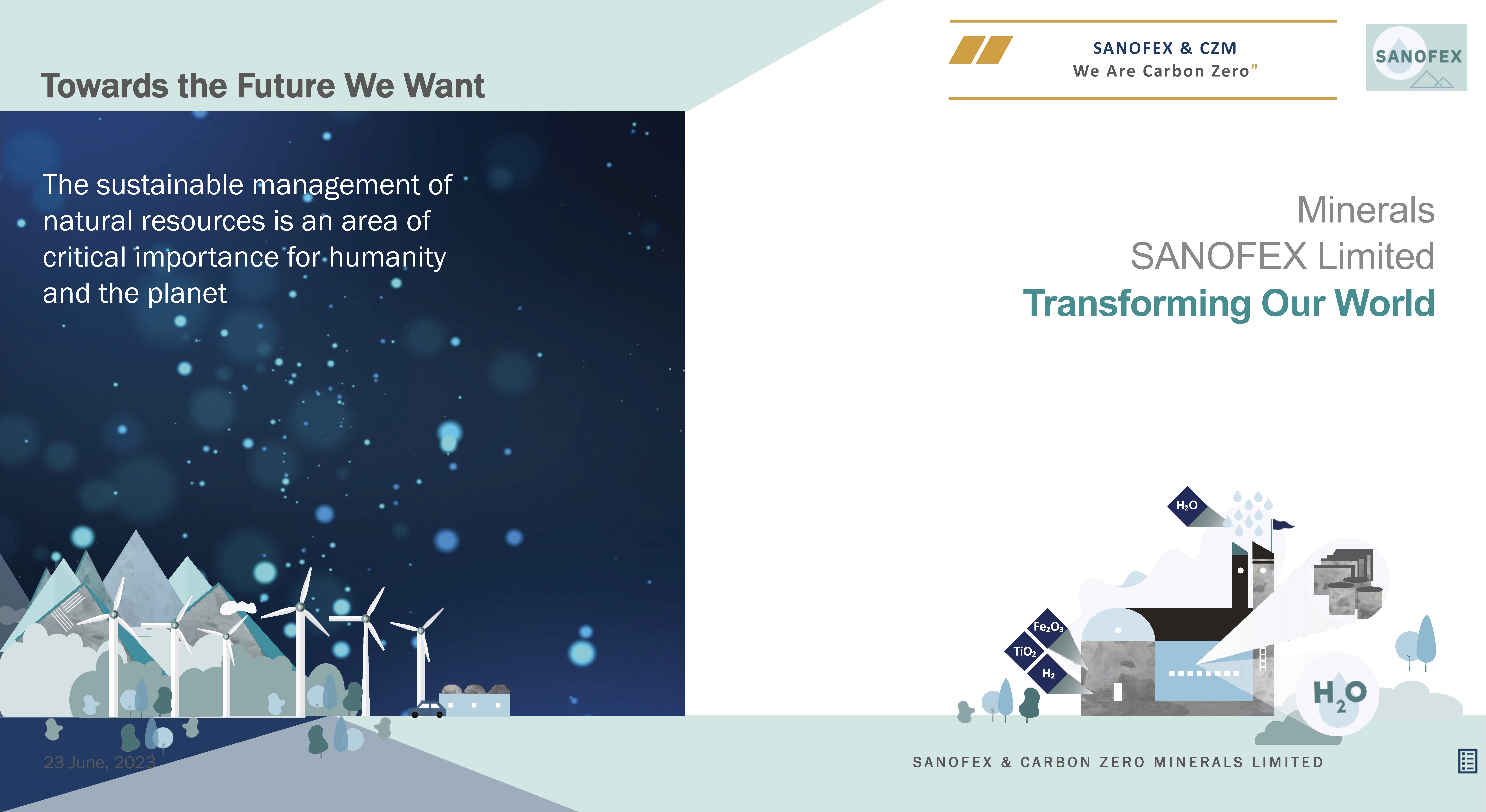
The sustainable management of natural resources is an area of critical importance for humanity and the planet.
The stories that we tell as a society about minerals, mining and miners are told in predominantly one dimension: they are stories about irresponsible companies running roughshod over the environment and communities, as well as artisanal and small-scale miners fuelling conflict, clearing forest and fouling rivers. This is understandable because these stories are based in fact.
The publication of Transforming Our World: The 2030 Agenda for Sustainable Development, maps in detail how humanity can achieve the “Future We Want”. Recognising the sustainable management of natural resources is an area of “critical importance for humanity and the planet”. Narratives (and counter-narratives) play an important role in shaping sustainability transitions.
When we are identifying which are the villains and heroes of our planet’s twin crises of environmental sustainability and global poverty, minerals are almost exclusively marked villain. Society quickly forgets the role that the mining of minerals has played in enabling our shelter, sustenance, transport, energy and communication.
Minerals, according to this narrative, are an impediment to sustainable development, with their extraction negatively impacting the achievement of sustainable development goals. The act of extraction (mining) has long been the focus of the minerals story, in a way that the role of the resource itself (minerals) has not.
Our collective global discussion about agriculture, by comparison, is as much about food as it is about farming, and we can consider the current fundamental unsustainability of global food production alongside the criticality of food security and the urgency to address malnutrition.
In the same way, the intersections between mining, minerals and development, in all their complexities, are crucial to advancing sustainable development. Part of the challenge of integrating minerals into sustainable development is to offer clear concepts that include the totality of minerals contribution or that articulate the links to poverty reduction and human development.
Another feature of the public discourse on minerals, when compared with other natural resources, is that access to mineral supply is almost never discussed from a human centred perspective.
A major part of the framing of natural resources in the SDGs relates to their fair and affordable access for development, with explicit or implicit reference in the goals and targets to food security, energy security and water security.
Keyfacts
Details
Sediment
96%
HMS
98%
Ilmenite
75%